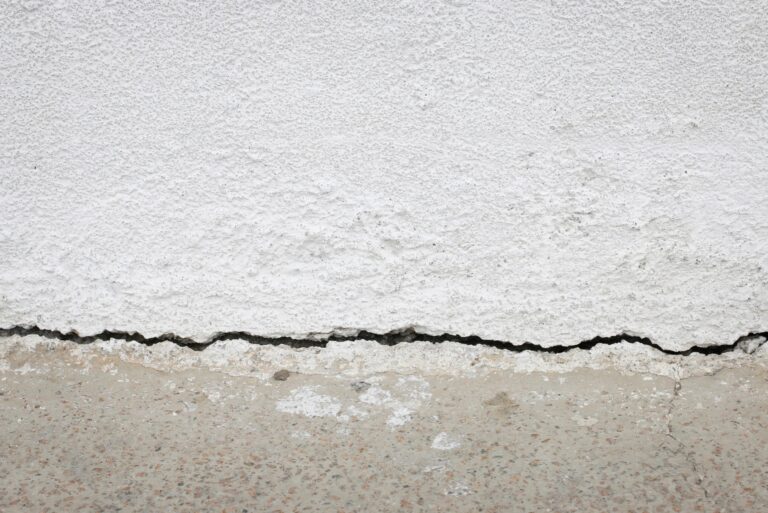
Edmonton winters are long, cold, and unpredictable. If your home is 20+ years old, your foundation faces even more stress from shifting soils, freeze–thaw cycles, and months of moisture pressure. A bit of preparation can go a long way toward preventing cracks, leaks, uneven floors, or costly spring repairs.
Here are seven homeowner-friendly winterization tips that can help you protect older foundations in Edmonton’s unique climate.
1. Check Your Exterior Grading Before the Ground Freezes
Good grading is one of the simplest, highest-value steps for protecting your foundation. When the soil slopes toward your home, meltwater flows directly against foundation walls and increases hydrostatic pressure, which is a major cause of winter basement leaks.
What to do:
- Walk the perimeter and look for low spots or depressions.
- Add clay-based soil to create a positive slope away from the home.
- Watch for washouts around downspouts or window wells.
Even small grading improvements can significantly reduce water pressure during freeze–thaw periods.
2. Extend Downspouts to Direct Water Away From the Foundation
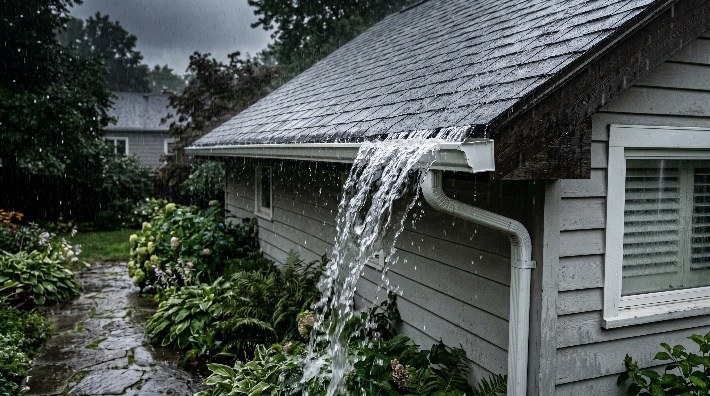
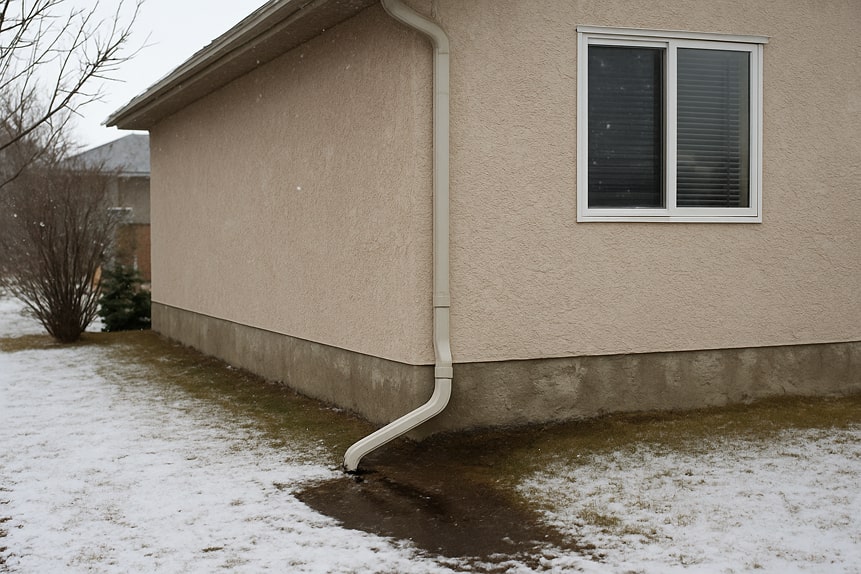
Short or disconnected downspouts are one of the most common causes of foundation moisture issues. In November, we often see warm days mixed with freeze events. That meltwater needs to go somewhere — ideally 6 to 10 feet away from your foundation.
Quick checks:
- Ensure all downspouts have long extensions.
- Replace crushed, kinked, or missing sections.
- Clear out leaves before they freeze.
This simple winterization task list helps prevent foundation cracks caused by freeze–thaw cycles and reduces basement leak risk.
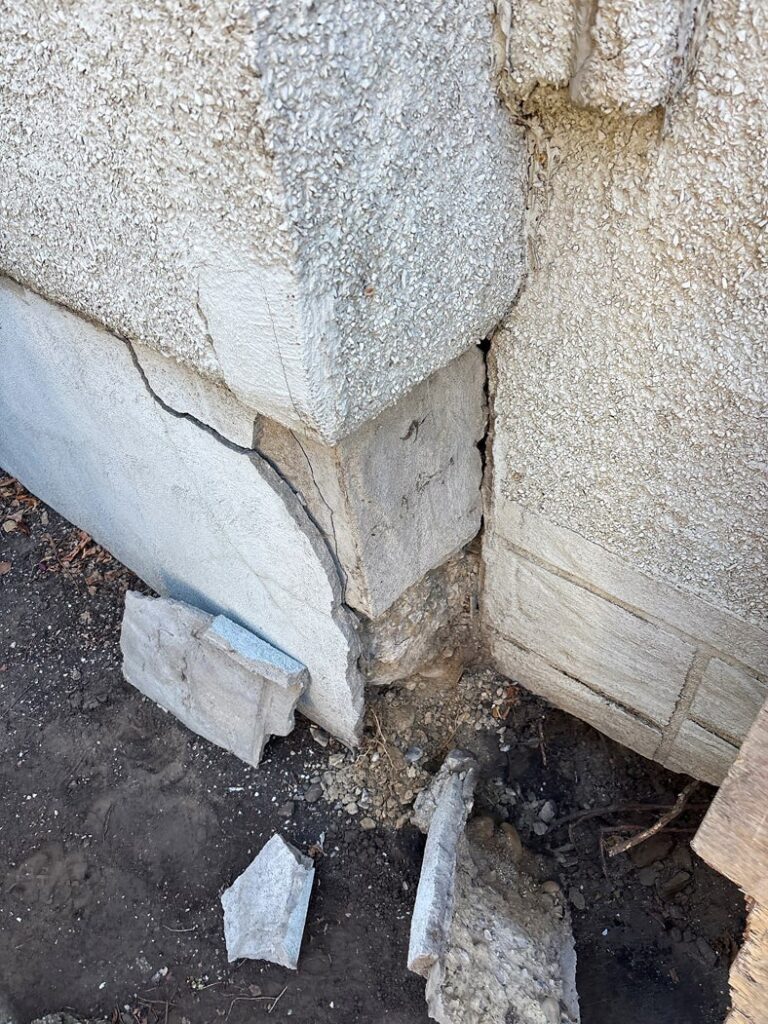
3. Inspect Foundation Cracks Before Snow Covers Them
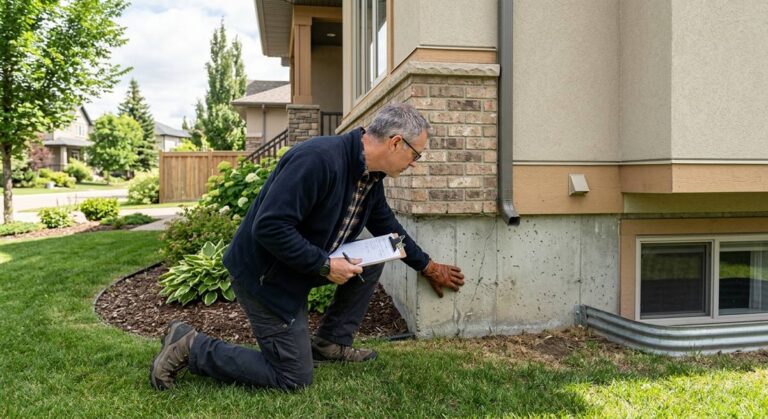
Once we have consistent snow cover, spotting exterior cracks becomes almost impossible until spring. November is the ideal time for a quick visual check.
Look for:
- Vertical cracks widening at the top.
- Horizontal cracks (often related to soil pressure).
- Step-pattern cracks in block or brick.
- New gaps around doors, windows, and window wells.
If you see movement or widening, a pre-winter foundation assessment can help you understand the severity and plan repairs for the right season.
4. Manage Indoor Humidity to Prevent Basement Moisture Issues
When warm indoor air meets cold concrete walls, it creates condensation. For older homes with minimal insulation, this can lead to moisture buildup, efflorescence, or even the expansion of hairline cracks. Target indoor humidity: 30–40% in winter
What helps:
- Running a basement dehumidifier.
- Checking furnace humidifier settings.
- Keeping air moving around foundation walls.
This is especially important in Edmonton, where chinooks can abruptly raise temperatures and create rapid condensation.
5. Assess Your Sump Pump and Check the Discharge Line
Many Edmonton homeowners forget that sump pumps matter in winter too — especially during warm spells when groundwater moves before the ground fully freezes.
Quick Sump Pump winterization checklist:
- Test the float switch.
- Clean out the sump pit.
- Ensure the discharge line is clear.
- Check that the exterior line won’t freeze or back up.
- Verify battery backup systems if installed.
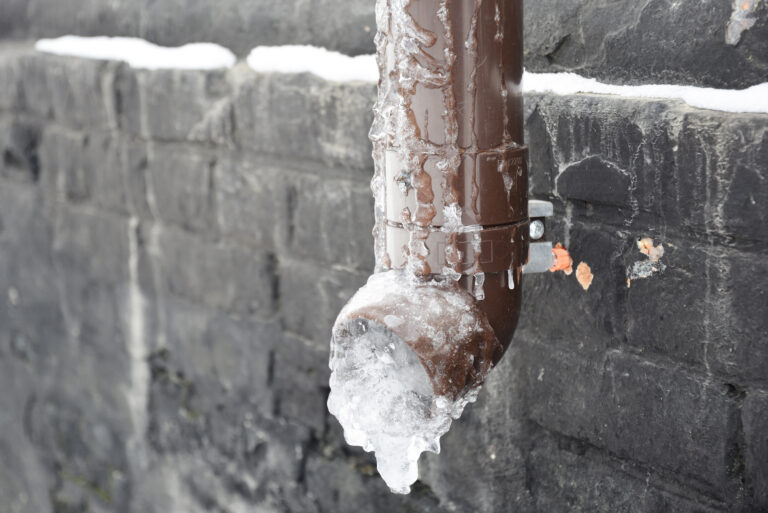
A frozen discharge line is one of the most preventable causes of winter basement flooding in older homes. For more information, read our Sump Pump maintenance guide here:
6. Seal Gaps Around Windows, Wells, and Utility Penetrations
Small gaps and openings allow frigid air and moisture to penetrate your foundation. Over winter, this can worsen frost heave, condensation, and water seepage.
Areas to check:
- Basement windows and frames.
- Window well edges.
- Gas line and electrical penetrations.
- Hose bib openings.
A small amount of caulking or spray foam can help reduce drafts and moisture intrusion for the entire season.
7. Watch for Red-Flag Signs of Winter Foundation Stress
Even if you winterize properly, older foundations can still react to the extreme cold and shifting soil. Keep an eye on interior and exterior warning signs.
Signs to watch for:
- Sticking doors or windows.
- New or widening drywall cracks.
- Uneven or sloping floors.
- Bowing basement walls.
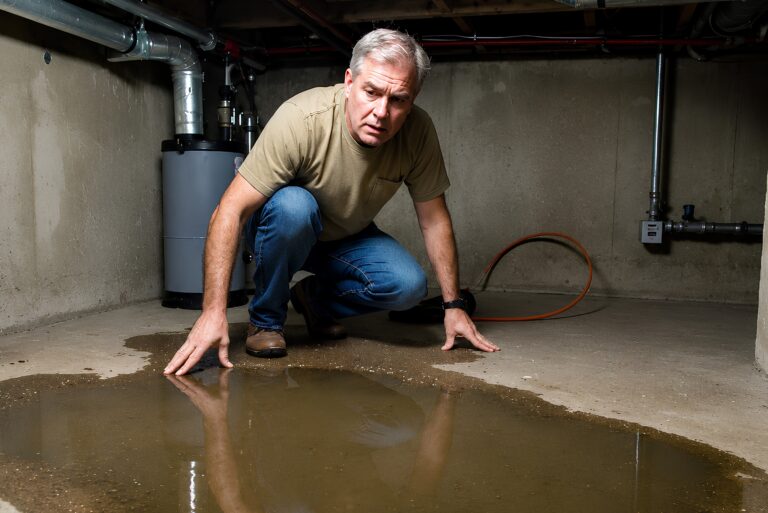
- Water seepage during chinooks.
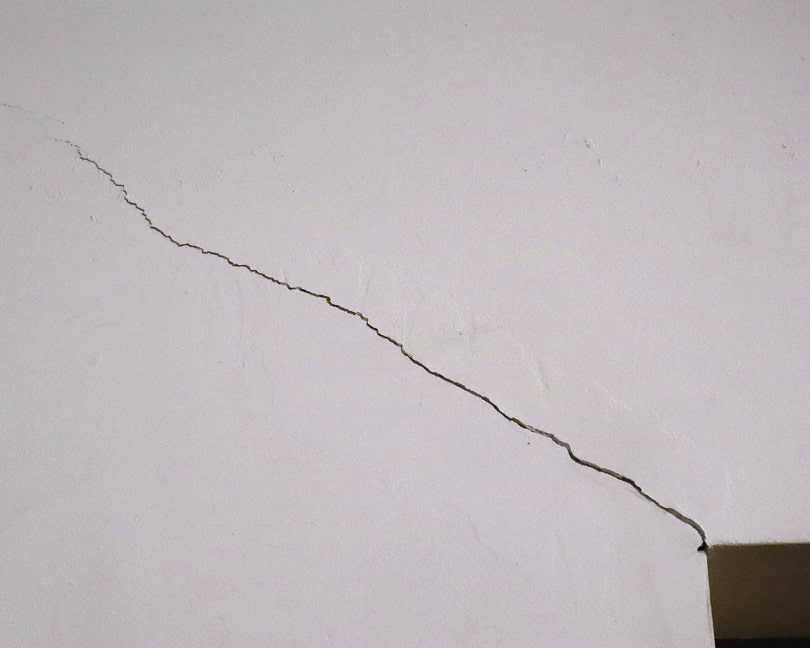
If you notice any of these issues, a professional foundation assessment can help you determine whether the problem is new, seasonal, or structural.
When to Bring a Professional
Edmonton’s clay-rich soils and long winters make foundation issues more common in older homes. A pre-winter inspection can help homeowners catch problems early, plan next steps, and avoid large-scale spring repairs. For larger jobs, Shield Foundation Repair offers financing options that can help spread out the cost while still protecting your home. If you suspect you have foundation issues that won’t wait, call our friendly staff today at 780 760 4900 or fill out our handy contact form