

Mulch Around Your Foundation: Which Types Are Safest?
Wood chips, bark, leaves, rubber or rock? Learn which mulch works around an Edmonton foundation and why drainage and grading matter more than the material.

The Summer Damage Check: 6 Things to Look for Around Your Foundation
After a wet Edmonton summer, walk your property with this simple September checklist for cracks, drainage, downspouts, window wells, and basement moisture.

Landscaping Do’s and Don’ts to Keep Your Foundation Safe
Landscaping projects can improve your home’s curb appeal, increase its value, and make your yard more enjoyable, but they can also affect something you don’t see: your foundation. Whether you’re planting trees, installing a patio, or refreshing garden beds, the way your landscaping manages water can have a lasting impact on your home’s structural health. A little planning today can
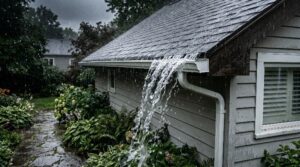
Gutter Repair Is Foundation Care: Ensuring Water Runoff Is Directed Away From Your Home
After weeks of heavy rainfall across Edmonton, many homeowners have started noticing things they have not seen before: water pooling beside the house, overflowing gutters, saturated landscaping, or damp spots in the basement. The question naturally follows: “Is this normal, or is this the start of a foundation problem?” In many cases, the answer starts with your gutters. Most homeowners
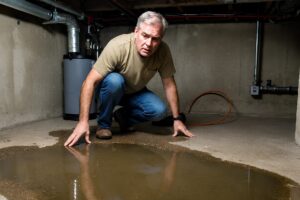
You Didn’t Have Water in Your Basement Before. Now You Do.
Water showing up in your Edmonton basement after spring melt? Here’s a clear, step-by-step guide to getting control of it without panic or guesswork.
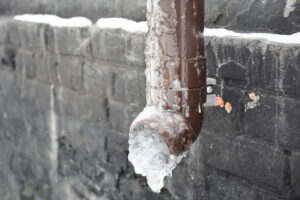
Spring Snowmelt Basement Leaks and How to Prevent Costly Water Damage
Spring snowmelt basement leaks are a recurring issue for homeowners in cold climates. Throughout winter, snow accumulates and freezes in layers around the foundation. When temperatures rise, rapid melting saturates the soil faster than it can properly drain. This creates significant hydrostatic pressure against foundation walls. Unlike heavy rainfall, snowmelt releases a concentrated volume of water within a short period.
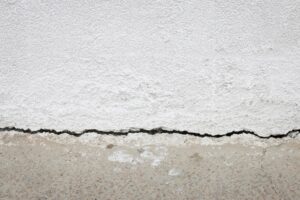
Small basement cracks and when they become a serious foundation problem
Small basement cracks are common in residential foundations, especially in regions with seasonal temperature shifts. Many homeowners assume hairline cracks are simply cosmetic shrinkage from curing concrete. While some minor cracking is normal, others signal structural stress or water intrusion risks. Concrete naturally shrinks as it cures, which can create vertical hairline cracks. However, ongoing soil movement, freeze-thaw cycles, and
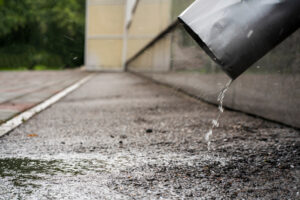
What to Watch for in Your Yard This Spring to Protect Your Foundation
Spring in Edmonton does not always arrive gently. One day the snow is still piled along the fence line, packed down and stubborn, and the next it begins to soften, turning the yard into a mix of melting drifts, damp soil, and slow-moving water. The ground feels heavy underfoot, the air carries that cold, wet edge, and everything seems to
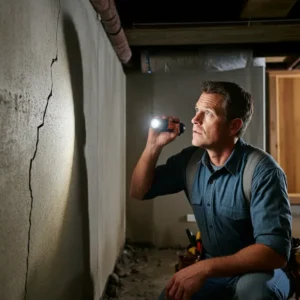
Is This Foundation Crack Serious? Edmonton Homeowner’s Guide
Short Answer: Not all foundation cracks are serious, but some are early signs of structural or water-related problems. Hairline cracks are often cosmetic, while wider, horizontal, or leaking cracks may need professional attention. Why This Question Comes Up in Spring In Edmonton, foundation concerns tend to show up quickly this time of year. As snow melts, the ground around your