If you own a home in Edmonton that’s 20 years old or more, you’ve already lived through more than a few freeze-thaw cycles. Most homeowners know these cycles can be “hard on houses,” but few understand how the damage develops, or why foundation issues often seem to appear
suddenly, even when nothing obvious has changed.
The reality is this: freeze-thaw damage is usually slow, cumulative, and seasonal, not dramatic, or immediate. Understanding that difference can help you spot problems early and avoid costly repairs later.
Why Freeze-Thaw Cycles Matter So Much in Edmonton
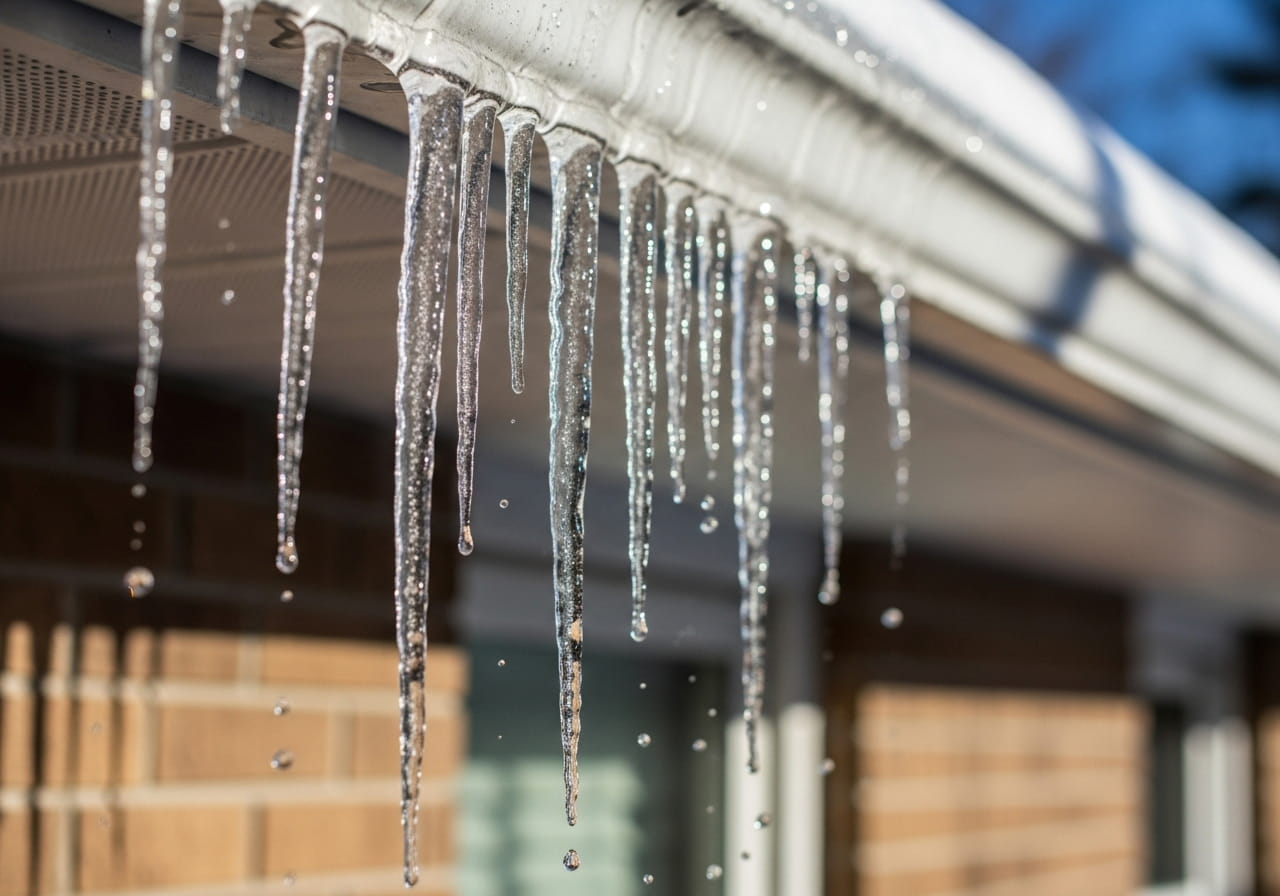
Edmonton’s climate is defined by long winters and frequent temperature swings above and below freezing. Each time temperatures cross that freezing point, moisture in the ground expands and contracts. Water expands when it freezes. When it thaws, it shrinks again. That expansion and contraction happens:
- In the soil surrounding your foundation.
- Inside tiny pores and hairline cracks in concrete.
- Along foundation walls, footings, and basement slabs.
On its own, one freeze-thaw event isn’t a problem. The issue is repetition. Over years, even decades, these cycles act like slow mechanical stress, gradually weakening concrete and shifting soil support.
Most foundation problems don’t start with a visible crack. They start with water staying where it shouldn’t.
The Compounding Effect: Why Damage Builds Quietly Over Time
A common misconception is that foundation damage happens during extreme cold snaps. In reality, moderate winters with frequent thawing can be more damaging than consistently cold ones.
Here’s why: Moist soil freezes and expands, pushing against foundation walls (frost heave). When the soil thaws, it settles unevenly. Small voids form beneath footings. Existing micro- cracks widen slightly, allowing more water in next time.
Each cycle makes the next one more effective at causing movement. The damage compounds quietly. This is especially relevant for older Edmonton homes built before modern waterproofing and drainage standards were common.
Why Foundation Problems Often Appear in Spring (Not Winter)
One of the least discussed, but most important aspects of freeze-thaw damage is timing. Many homeowners notice foundation cracks, sticking doors, or basement moisture in spring, not January. That’s not a coincidence.
During winter:
- The ground is frozen and relatively stable.
- Movement is constrained.
During spring thaw:
- Frozen soil releases moisture.
- Support beneath the foundation changes.
- Hydrostatic pressure increases as snow melts.
- Existing weaknesses finally reveal themselves.
In other words, winter creates the stress – spring reveals the results.
Not every crack or shift means you have a serious problem. But certain patterns are worth paying attention to, especially if they worsen year over year:
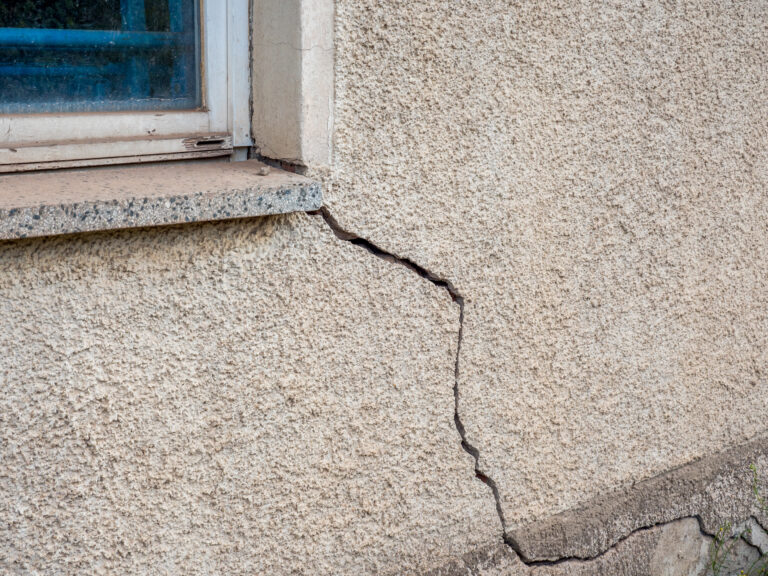
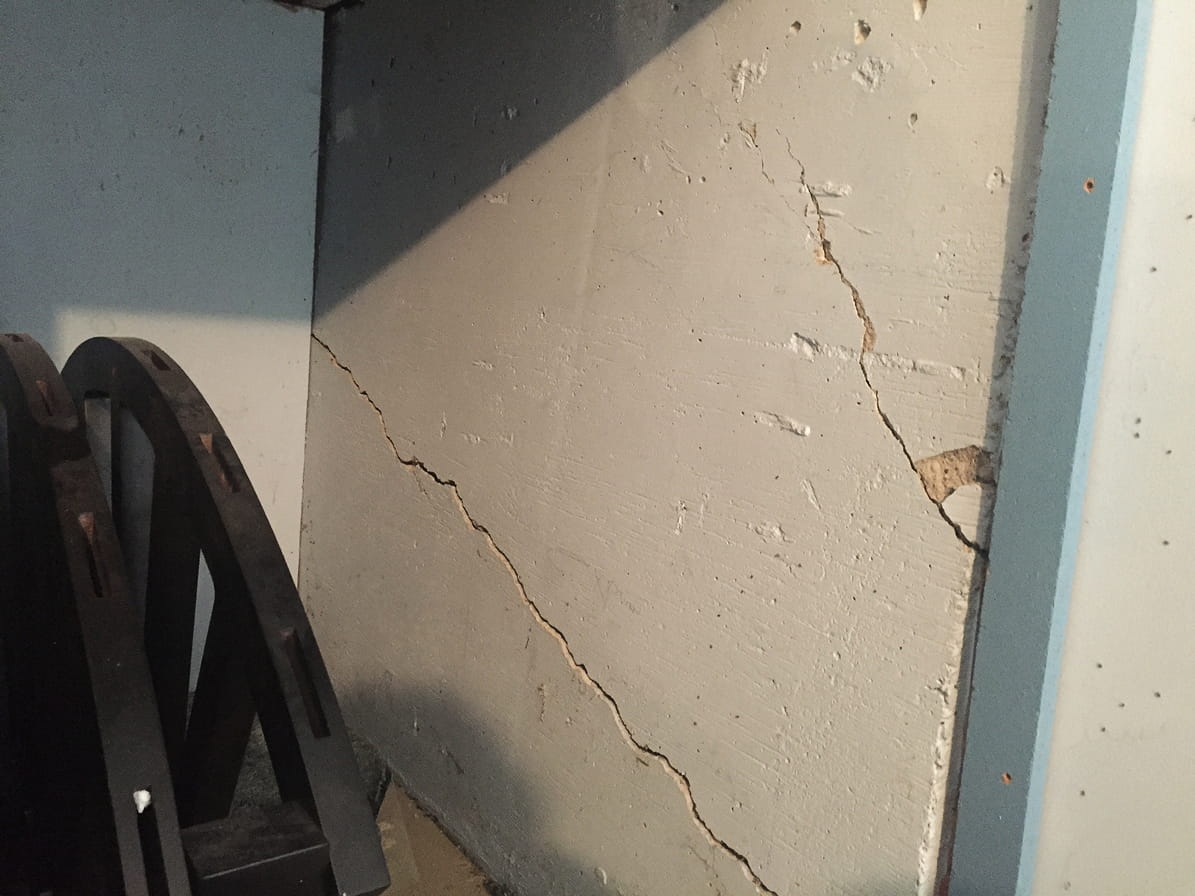
- Foundation and interior cracks.
- Hairline cracks in basement walls.
- Vertical or diagonal cracks that grow slowly over time.
- Stair-step cracks in block or brick.
One small crack isn’t usually urgent. Multiple cracks, or cracks that widen seasonally, deserve attention.
Doors and Windows That Stick
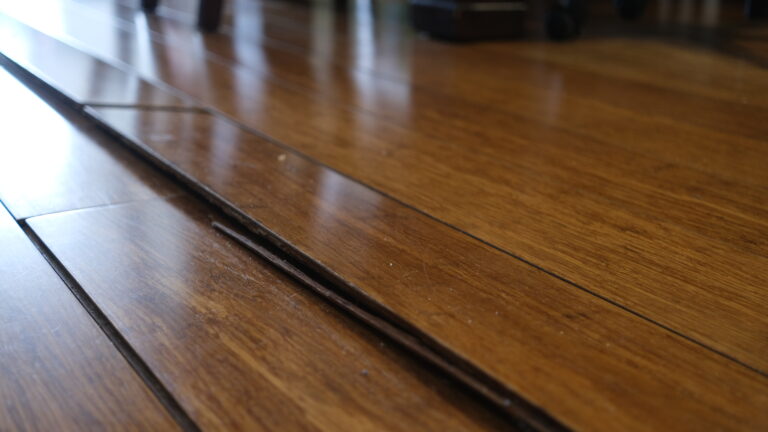
If doors or windows suddenly become hard to open or won’t latch properly, subtle foundation movement may be affecting the framing.
Gaps Around Trim or Corners
Small gaps where walls meet ceilings, floors, or window trim can be early indicators of movement.
Basement Moisture or Dampness
Musty smells, damp patches, or minor seepage often appear before visible structural damage. Moisture is both a symptom and a contributor to freeze-thaw problems.
Why Older Edmonton Homes Are More Vulnerable
Homes built 20 – 40 years ago often:
- Lack modern exterior waterproof membranes.
- Rely on older drainage systems.
- Sit on clay-heavy soils that retain moisture.
Over time, small deficiencies add up. Freeze-thaw cycles don’t “break” foundations, they exploit existing weaknesses.
The positive aspect is that, if tackled promptly, most problems can either be managed effectively, or their progression can be greatly slowed.
Practical Steps Homeowners Can Take Right Now
You don’t need to panic or rush into repairs. Simple, proactive steps make a real difference:
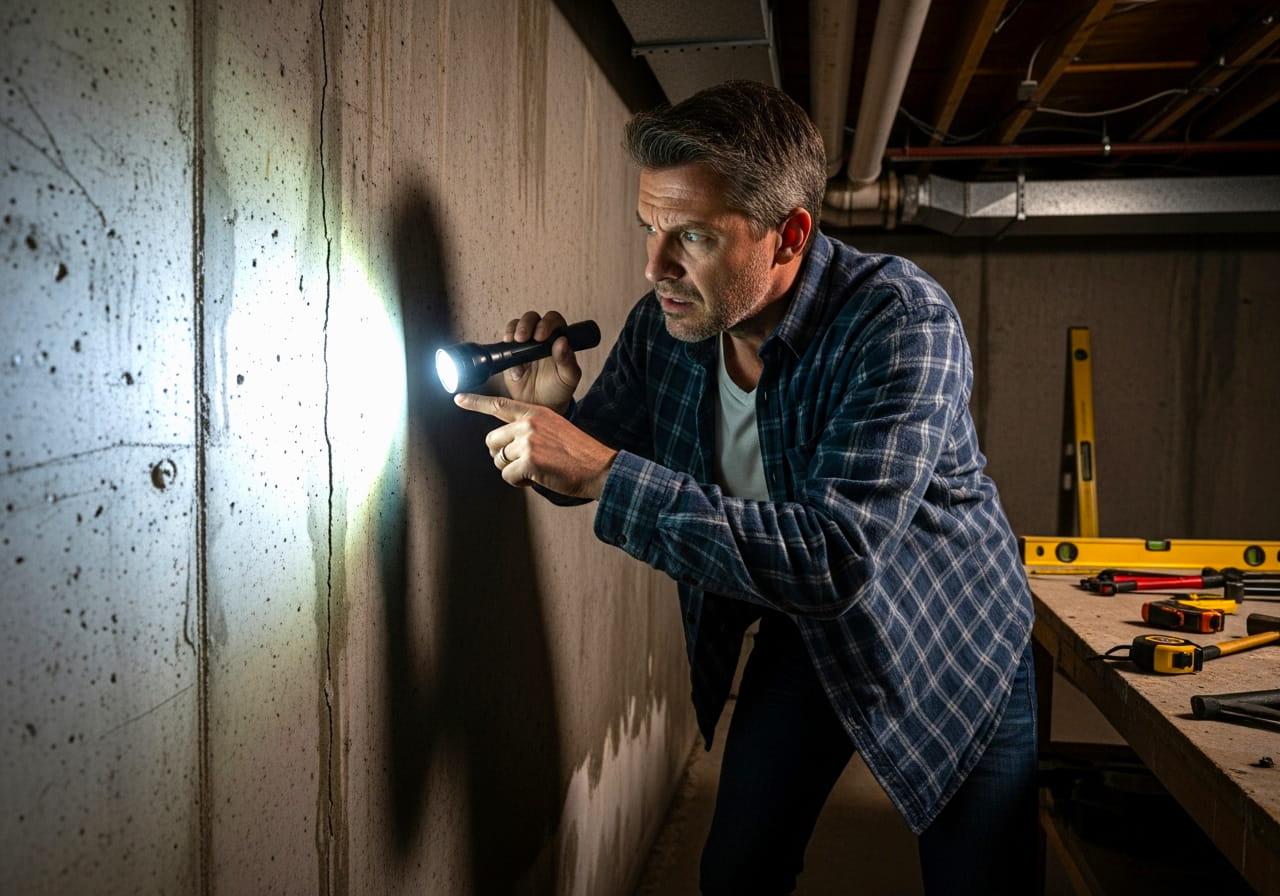
- Monitor don’t Ignore.
- Take photos of cracks or changes once or twice a year to track progression.
- Manage water around the home.
- Ensure downspouts discharge at least 6–10 feet away.
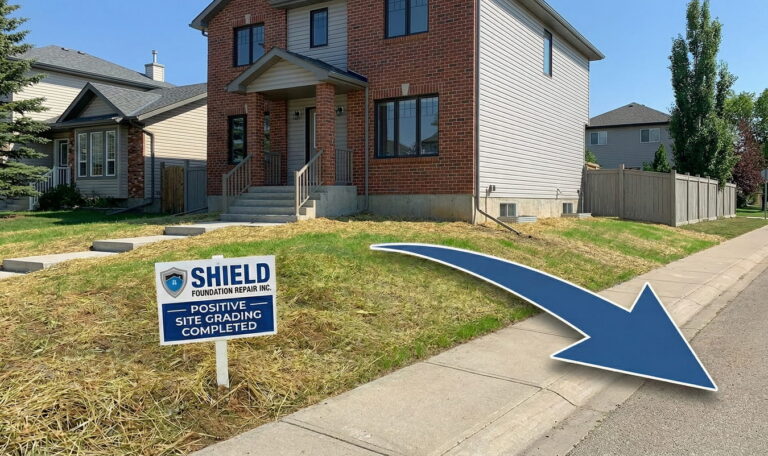
- Keep soil sloping away from the foundation.
- Avoid piling snow against foundation walls.
- Control basement moisture.
- Maintain reasonable indoor humidity and address condensation issues early.
Think Seasonally
Inspect your foundation in early spring and fall when movement is most likely to show.
When to Seek a Professional Assessment
If you notice cracks growing year over year, multiple warning signs appearing together, or ongoing water entry, it’s wise to have a professional evaluation. Early intervention is almost always less disruptive and less expensive than waiting. Foundation issues rarely require immediate emergency action, but they do reward timely attention.
A Final Thought for Edmonton Homeowners
Conditions in your basement aggravated by freeze-thaw are a fact of life in Alberta. They don’t mean your home is failing, rather aging in a demanding environment. By understanding how damage develops, watching for early signs, and addressing small issues before they grow, you can protect both your foundation and your peace of mind. If you would like to know more about a suspicious problem you’re seeing in the basement, give contact our friendly staff at 780 760 4900 today for more information.