A sump pump is your basement’s first line of defence against water damage. It quietly moves water away from your home’s foundation, especially during spring melts or heavy rain.
But here’s the thing. When it fails, you might not notice until your floor is soaked and your drywall is ruined.
Sump pump maintenance isn’t just a nice-to-have. It’s what keeps your basement dry, your walls crack-free, and mould from creeping in.
This guide will show you how to stay ahead of problems, spot early warning signs, and know when it’s time to call in the pros.
Why Sump Pump Maintenance Matters
Your sump pump sits quietly in the corner of your basement or crawl space, ready to act when water starts rising. In places like Edmonton, where snowmelt and heavy rainfall are regular guests, it’s not a luxury.
It’s a must.
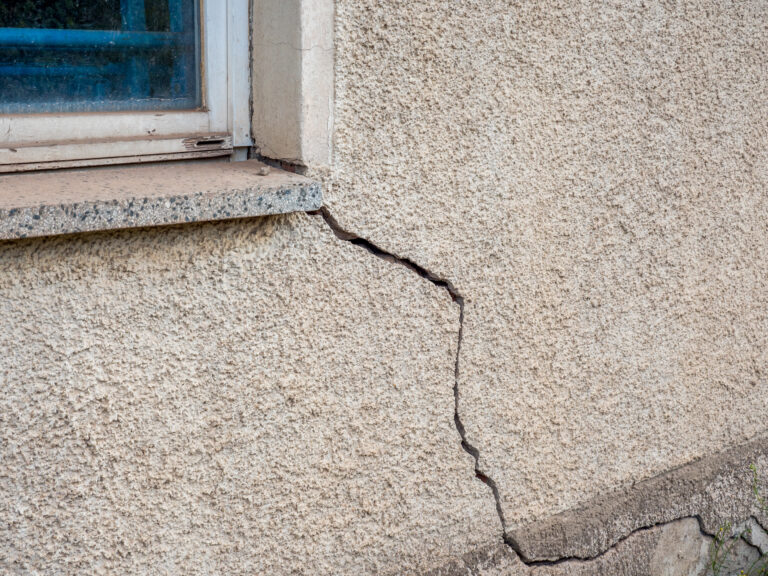
But when a sump pump fails, it’s rarely at a good time. Water creeps in. Carpets soak. Walls swell. Mould follows. And worst of all, foundation issues can sneak up before you even realize something’s wrong.
That’s why sump pump maintenance is essential. Regular checks can mean the difference between a quick mop-up and thousands of dollars in repairs. It helps keep your basement dry and protects your home’s structural integrity over time.
Don’t wait until your floor is floating to act. Preventing water damage starts with a clean, working pump, every season, every year.
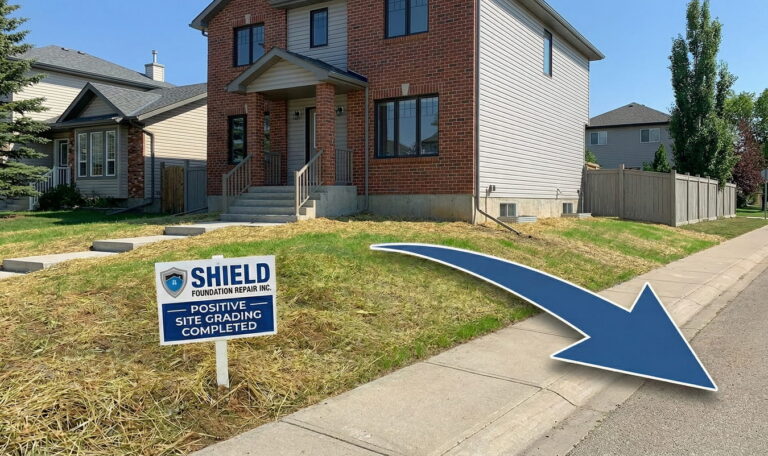
It also pays to think outside the sump pit. Learning how to prevent water pooling around your foundation can reduce the load on your pump system and further guard your basement from flooding. Redirecting water away from the house helps your sump pump do less heavy lifting and extends its lifespan.
How Often Should You Check Your Sump Pump?
The short answer?
More often than you probably are.
A good sump pump maintenance schedule includes a light inspection every three to four months. Look for standing water, listen for odd sounds, and make sure the pump still runs smoothly.
But don’t stop there. The real test comes before big weather events, especially the spring thaw or a rainy forecast. That’s when a seasonal sump pump check is crucial. Pour a bucket of water into the pit and see if the pump activates.
If it doesn’t, that’s a red flag.
Annual maintenance is important, too. Unplug the sump pump, clean the sump pit, and inspect the float switch, valve, and discharge pipe. Consider installing a battery backup system if you haven’t already. Power outages love showing up with storms.
Signs Your Sump Pump Needs Maintenance or Replacement
Not every sump pump issue comes with a loud alarm. Sometimes, it’s subtle. But if you know what to look for, you can act before basement flooding becomes your reality.
Start with the obvious signs. Is your pump making strange noises? That could mean worn-out pump bearings or internal damage. Smell something musty or damp? You might already have mould creeping in from standing water.
A pump that runs constantly, or not at all, should raise red flags. If the float switch is stuck or the inlet screen is clogged, it won’t trigger properly. That can leave water sitting in your sump pit longer than it should.
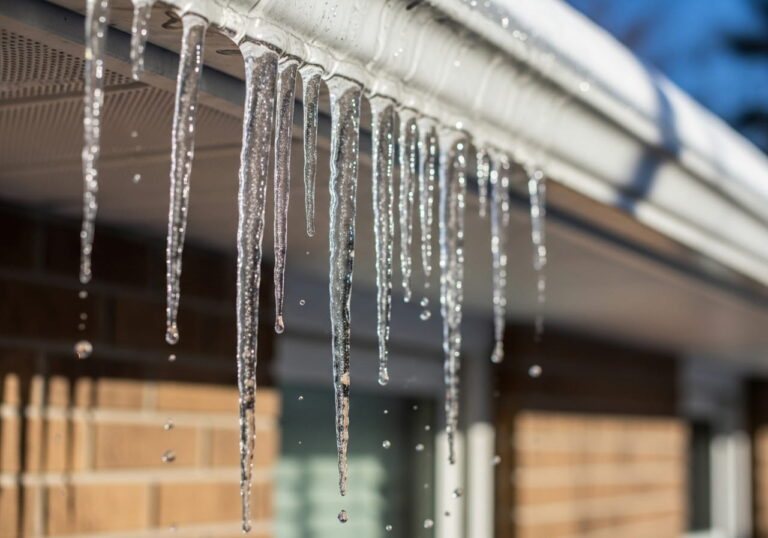
Also, check for water that’s not being discharged. A blocked discharge pipe or frozen line could stop even a working pump from doing its job.
Sometimes, it’s time for a sump pump replacement. If the unit is over 10 years old or showing multiple signs of failure, replacing it may be safer and more cost-effective.
Don’t forget the power factor. Most flooding happens during storms, and if the power goes out, so does your pump. Installing a battery backup can keep your system running when you need it most.
Additionally, check if your system includes a backflow prevention setup. Understanding what a weeping tile backflow valve is and why it is important to maintain it can help you avoid water backup during heavy rainfall. This small component plays a big role in stopping water from reversing into your basement.
Step-by-Step Maintenance Guide
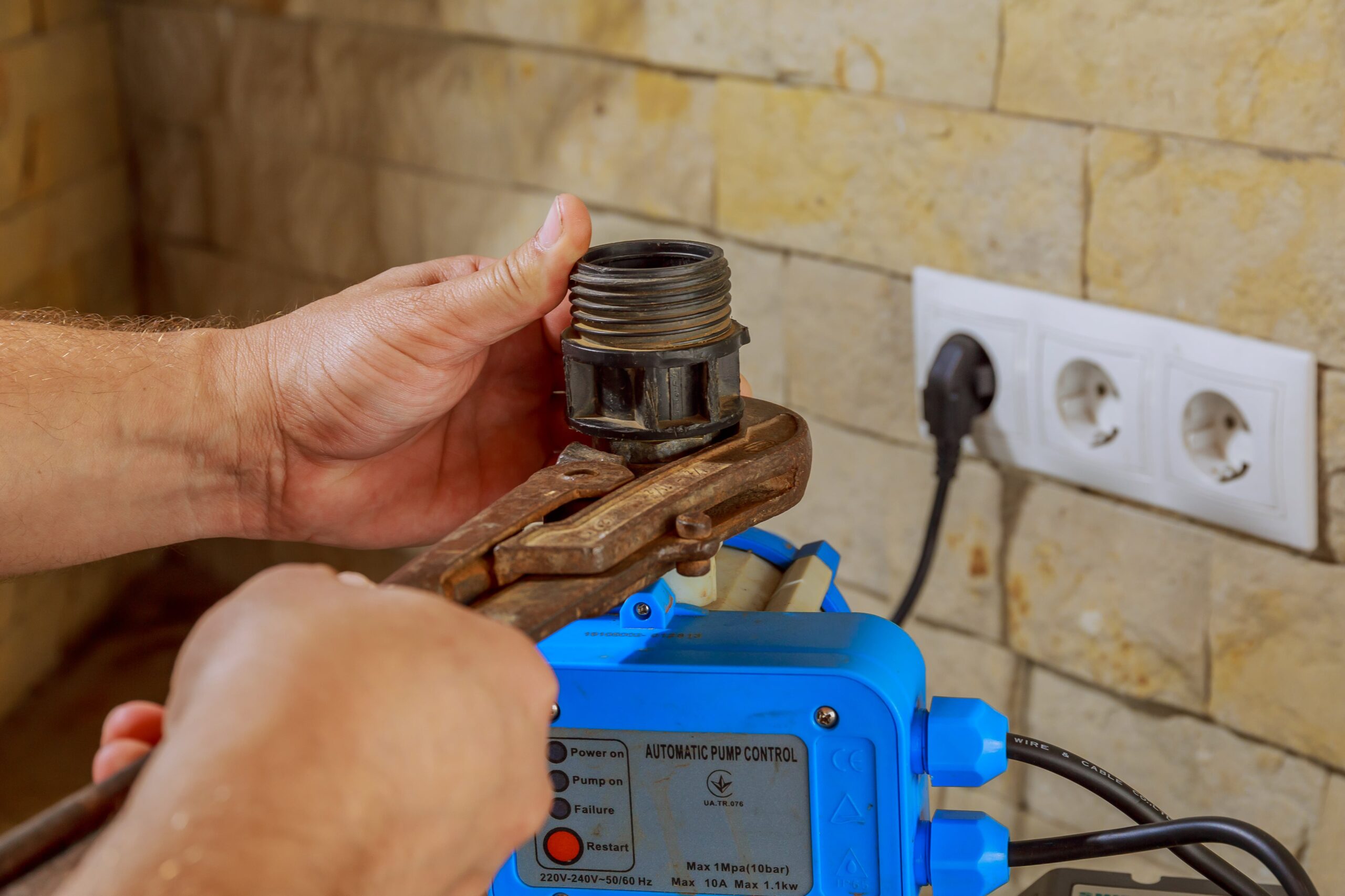
You don’t need to be a plumber to do a basic DIY sump pump check. With a little time and attention, you can keep your sump pump running smoothly and avoid bigger problems down the line.
Here’s a safe and simple maintenance routine every homeowner can follow.
Step 1 – Unplug the Pump
Before anything else, unplug the unit. This prevents accidental starts and keeps you safe during the inspection.
Step 2 – Remove the Pump From the Sump Basin
Lift the pump carefully out of the sump pit. Use gloves since it might be slimy. Place it on a plastic sheet or towel.
Step 3 – Clean Your Sump Pump
Use a garden hose to rinse the pump thoroughly. Scrub away buildup with a brush. Pay extra attention to the inlet screen, where debris tends to clog the intake. A blocked screen can cause the pump to turn on and off too often or stop working entirely.
Step 4 – Inspect for Wear or Damage
Check the base of the pump, the power cord, and any connectors. Look for rust, cracks, or loose wires. Listen for grinding as this might signal worn pump bearings. If anything seems off, it might be time for pump repair or to replace the sump pump altogether.
Step 5 – Clean the Sump Pit
While the pump’s out, clean the sump pit. Scoop out mud, gravel, and other debris that could clog the system. This also gives you a clear view of the water inlet and helps prevent blockages.
Step 6 – Test the Float Switch
Put the pump back in place. Pour water into the sump until the float switch activates. This is one of the most important parts of the system. If it doesn’t trigger the pump, that’s a warning sign.
Step 7 – Check the Discharge Pipe
Outside your home, look for clogs, ice, or damage in the discharge pipe. Make sure water can exit freely.
Step 8 – Consider a Backup Sump System
If your home is prone to power outages or flooding, a battery backup system is worth the investment. It can save you from serious water damage during a storm.
Final Tip – Know When to Call a Pro
If anything seems beyond basic sump pump maintenance tips, don’t guess. Schedule an appointment with a trusted plumber or waterproofing expert.
When to Hire a Professional
Sometimes, no matter how much cleaning or testing you do, your sump pump won’t work correctly. If you’ve gone through your routine maintenance checklist and the pump still struggles, or worse, doesn’t run at all, it’s time to call in a sump pump repair service.
Issues like constant cycling, strange sounds, or water not pumping out of the pit often point to deeper mechanical or electrical problems. If the pump turns on and off frequently, doesn’t respond when the water level reaches the float or has visible corrosion inside the sump, don’t ignore it.
A professional sump pump inspection can also help when you’re considering a system upgrade or installing a new sump pump with a battery backup. Older units that are nearing the average lifespan of a sump (usually 7–10 years) may need a full replacement.
In short, when DIY no longer cuts it, having an expert on your side can save you time, stress, and your basement.
Protect What Matters Most
A well-maintained sump pump is more than just a piece of equipment. It’s your defence against water damage, mould, and structural headaches. Skipping basic care now can lead to costly repairs later. That’s why sump pump maintenance should be part of every homeowner’s regular checklist, especially in places like Edmonton where heavy rain and snowmelt are common.
But even with the best upkeep, problems can still arise. And when they do, it helps to know who to trust.
Shield Foundation Repair brings over 35 years of experience to homes across Edmonton and surrounding areas. If you need a quick fix, a full sump pump installation, or complete foundation repair, our team has you covered. Fully insured and BBB-accredited, Shield offers industry-leading solutions backed by a transferable lifetime warranty.
Contact us, call Shield Foundation Repair at 780-760-4900 or visit us at 8625 63 Avenue NW, Edmonton to schedule your inspection.
Stay dry.
Stay protected.
Shield’s got your back.