
A Foundation Repair Professional’s Perspective For Edmonton Homeowners
Water is the single biggest long-term threat to a foundation. In Edmonton’s freeze – thaw climate, drainage issues tend to compound over time. What starts as minor pooling near the foundation can gradually lead to basement moisture, soil movement, and structural stress.
Positive site grading is often viewed as landscaping. From our perspective, it’s foundation protection. When surface water is managed properly, foundations perform ,the way they’re designed to. When it isn’t, problems follow.
What Is Positive Site Grading?
Positive site grading means the ground around your home slopes away from the foundation, directing rainwater and snowmelt safely outward instead of allowing it to collect beside basement walls. The general standard is approximately 6 inches of fall over the first 10 feet away from the foundation.
In Edmonton, where clay-heavy soils expand when saturated and shrink when dry, maintaining that slope helps regulate soil pressure against foundation walls. Consistency in moisture levels is what keeps foundations stable.
7 Signs You May Need Positive Site Grading
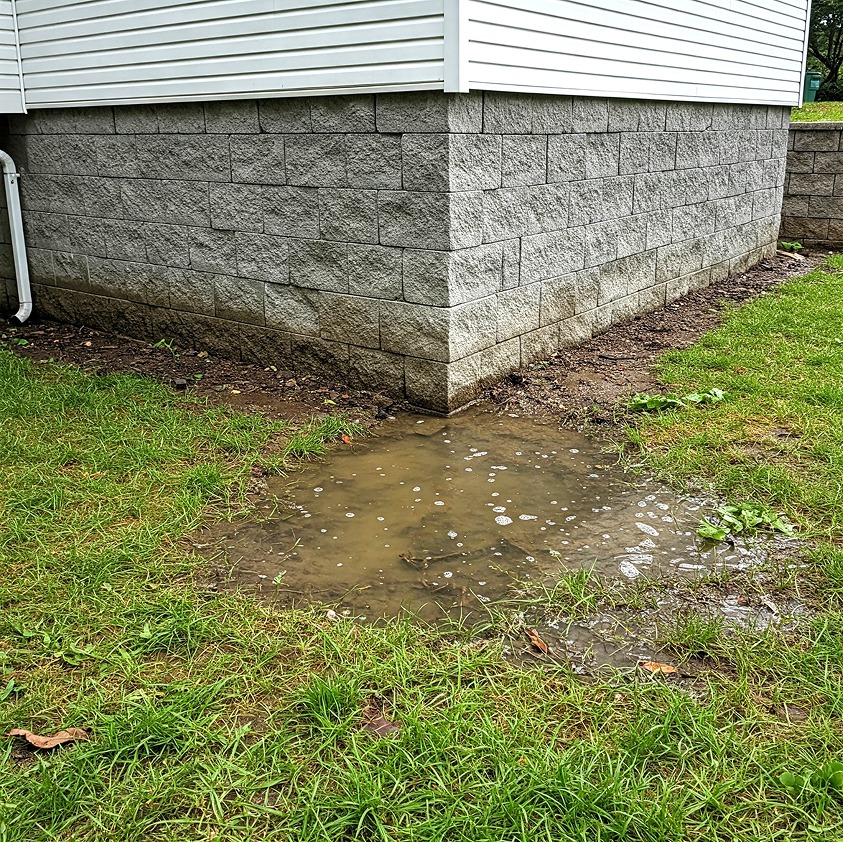
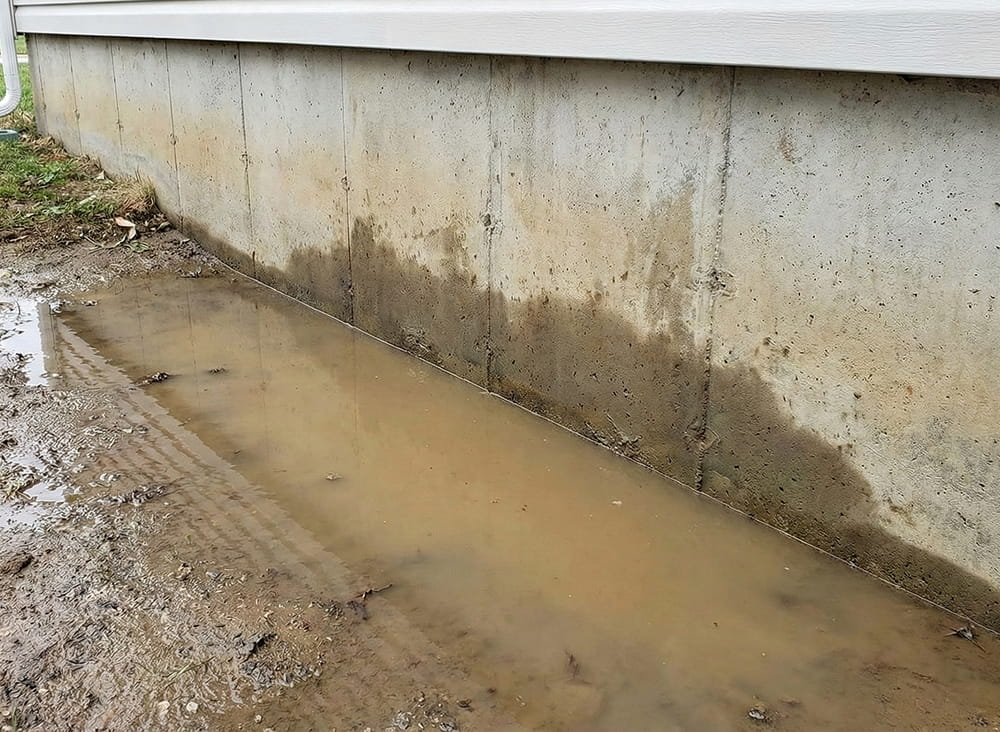
1. Water Pooling Along the Foundation
After rainfall or spring melt, water should move away from your home naturally. If it collects near the base of the walls, that moisture increases hydrostatic pressure. Pressure is what forces water through small cracks and weak points.
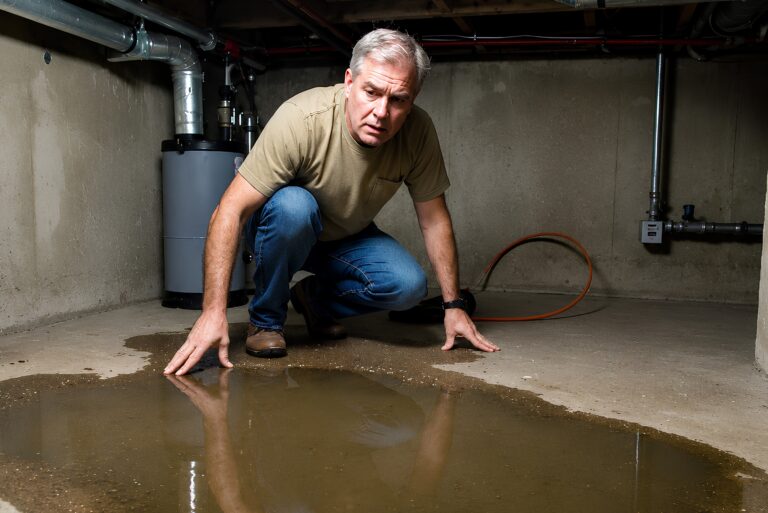
2. Persistent Basement Dampness
Musty odours, damp concrete, or minor seepage are often early indicators of surface drainage issues. Moisture problems typically develop gradually. Addressing them early prevents escalation.

3. Soil Sloping Toward the House
Soil settles over time. Landscaping changes, garden beds, and new sod can unintentionally create negative grading. It may look level at a glance, but subtle slope toward the home is enough to redirect water in the wrong direction.

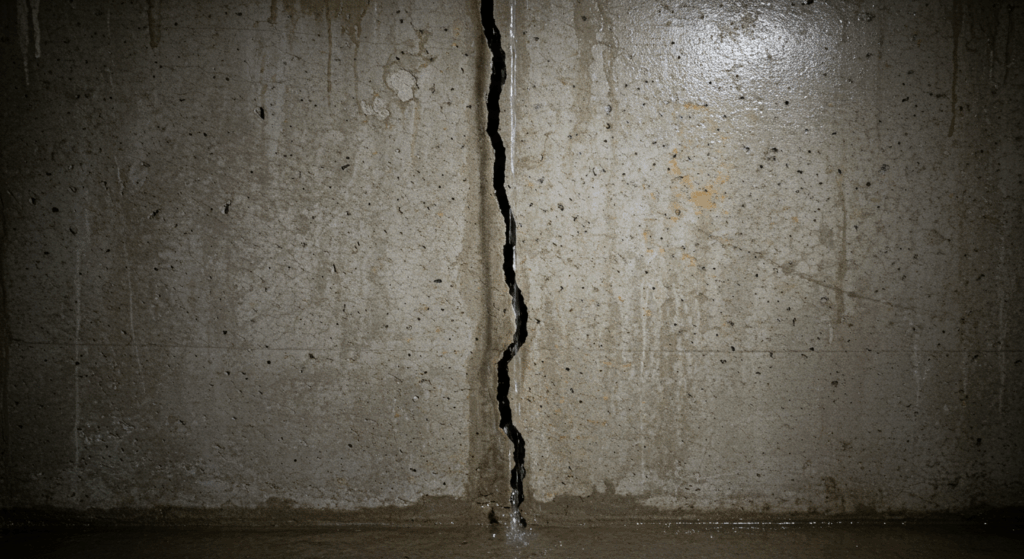
4. Foundation Cracks or Wall Movement
In expansive clay soil conditions common throughout Edmonton, excess moisture causes swelling. Repeated wet-dry cycles contribute to:
- Horizontal cracking
- Stair-step cracks
- Inward wall movement
Grading does not repair structural damage, but poor grading often contributes to it.
5. Erosion or Soil Washout
If you notice trenches or exposed areas along the perimeter, water is moving with force and removing support soil. That movement changes how loads are distributed against the foundation.
6. Sump Pump Running Frequently
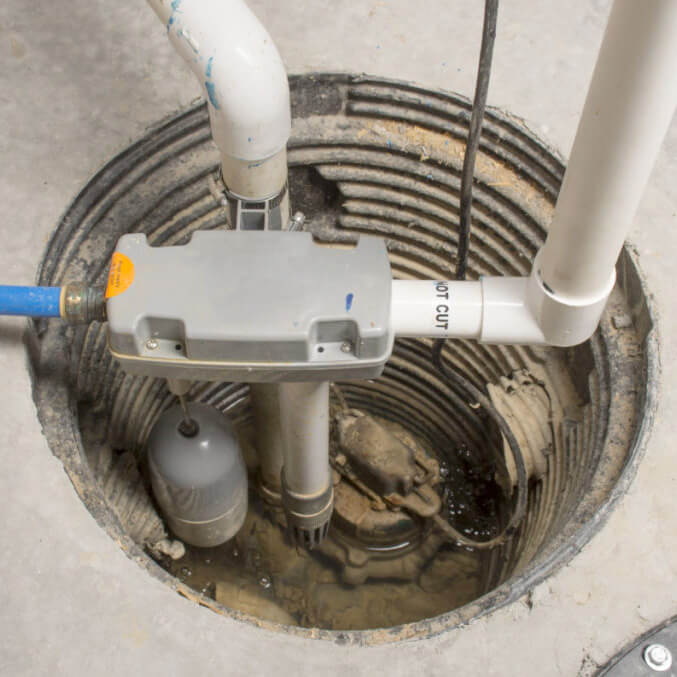
A sump system is a safeguard. It should not be compensating for surface drainage deficiencies. If it cycles regularly during moderate rainfall, it may indicate excess water entering the perimeter drainage system unnecessarily.
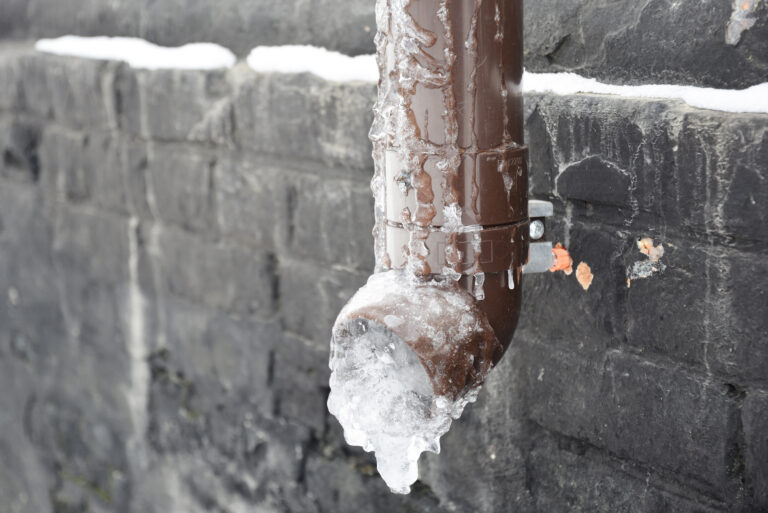
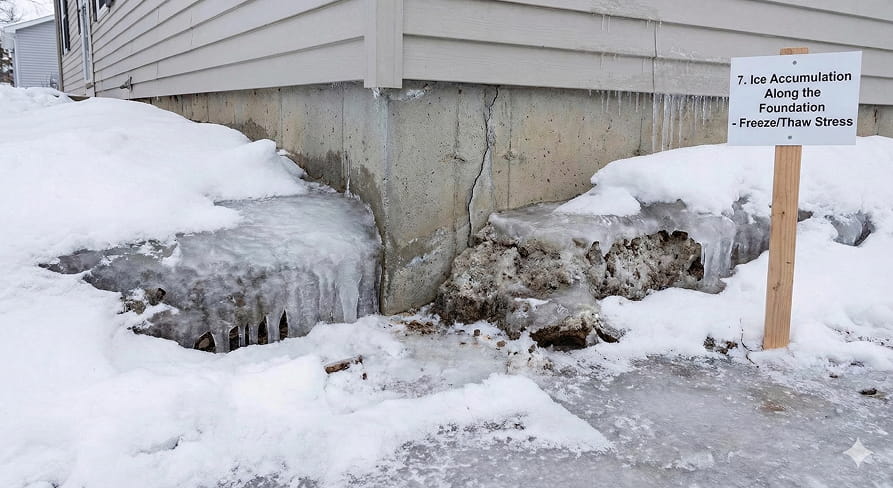
7. Ice Accumulation Along the Foundation
In winter, water that remains near the foundation often refreezes. Freeze – thaw expansion increases stress on foundation walls and existing cracks. Managing water in summer reduces stress in winter.
How a Foundation Repair Company Approaches Positive Site Grading
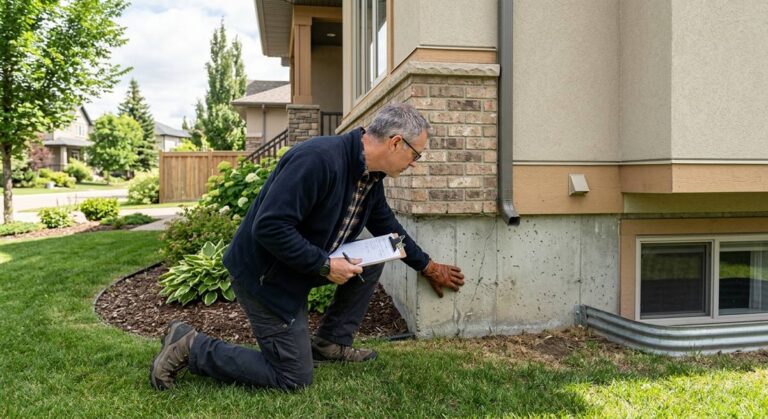
Surface appearance matters. Structural performance matters more. Before adjusting soil elevations, we evaluate how water interacts with the entire foundation system.
Step 1: Comprehensive Assessment
We review:
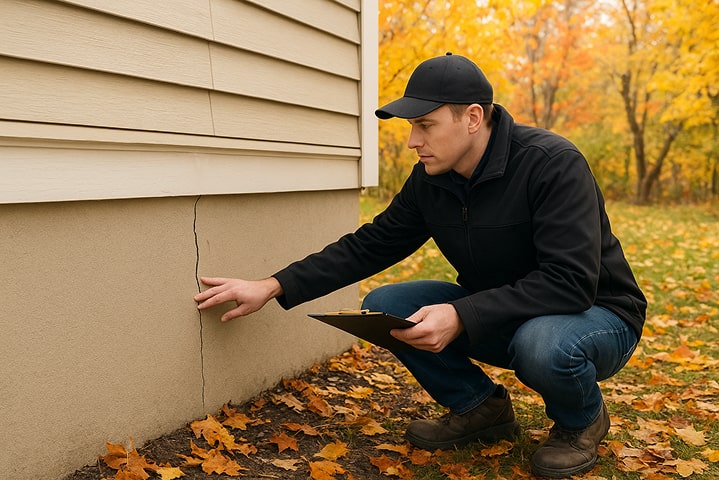
- Existing cracks or movement
- Indicators of hydrostatic pressure
- Settlement patterns
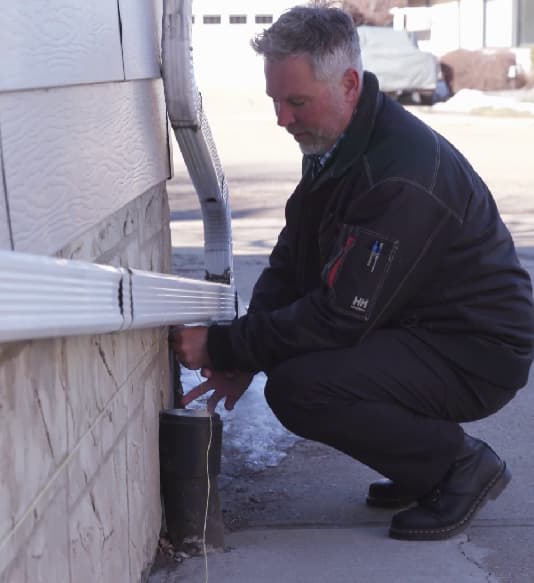
- Downspout discharge locations
- Window well elevations
Grading is most effective when it complements the home’s overall drainage strategy.
Step 2: Soil Considerations Specific to Edmonton
Many properties in the region sit on clay-rich soils. Clay retains moisture and expands significantly when saturated. Using inappropriate fill or failing to compact properly often leads to future settlement and loss of slope. Proper material selection and controlled compaction are what maintain long-term effectiveness.
Step 3: Establishing Consistent Slope
We create measured fall away from the foundation while maintaining proper clearance below siding and structural components. The goal is controlled drainage, not aggressive reshaping.

Step 4: Layered Compaction
Loose soil settles. Settlement compromises grading. Compacting in controlled layers reduces future movement and helps preserve the intended drainage path.
Step 5: Coordinating Roof Drainage
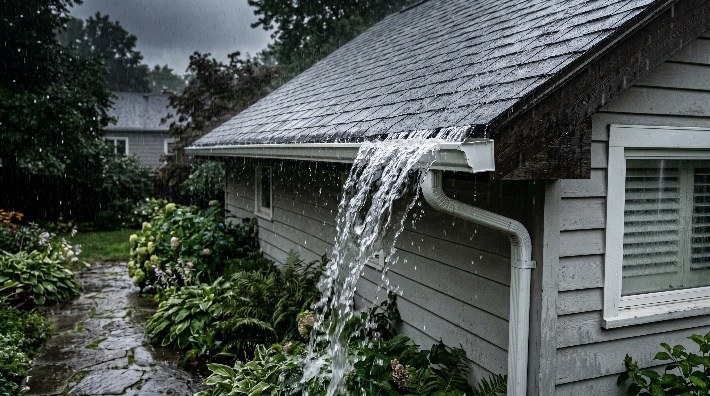
Grading must work together with downspouts. Roof runoff should discharge well away from the foundation to prevent concentrated saturation along perimeter walls. Water ,management is most effective when all components function together.
Why Address Grading Before Structural Issues Develop?
Inspect your foundation in early spring and fall when movement is most likely to showMany structural repairs trace back to prolonged moisture imbalance around the foundation. Positive site grading is one of the most practical preventative measures available to homeowners.
When executed correctly, it helps:
- Reduce hydrostatic pressure
- Stabilize moisture levels in surrounding soils
- Protect finished basements
- Extend foundation lifespan
- Minimize long-term repair costs
This isn’t cosmetic work. It is preventative maintenance.
When Should Grading Be Evaluated?
In Edmonton, grading adjustments are best completed during warmer months when soil conditions allow proper shaping and compaction. If you’ve observed any of the signs outlined above, a professional evaluation can determine whether surface drainage adjustments are needed. Early corrections are straightforward. Delayed corrections are rarely simpler.
Final Thoughts. Ground-Level Protection Matters.
A foundation performs best when water is managed before it reaches the walls. Positive site grading is a simple concept. The execution determines its effectiveness. Water control is not about appearance. It’s about performance.
If you’re concerned about excess water accumulation around your foundation, give contact our friendly staff at 780 760 4900 or use our handy contact form today for more information.