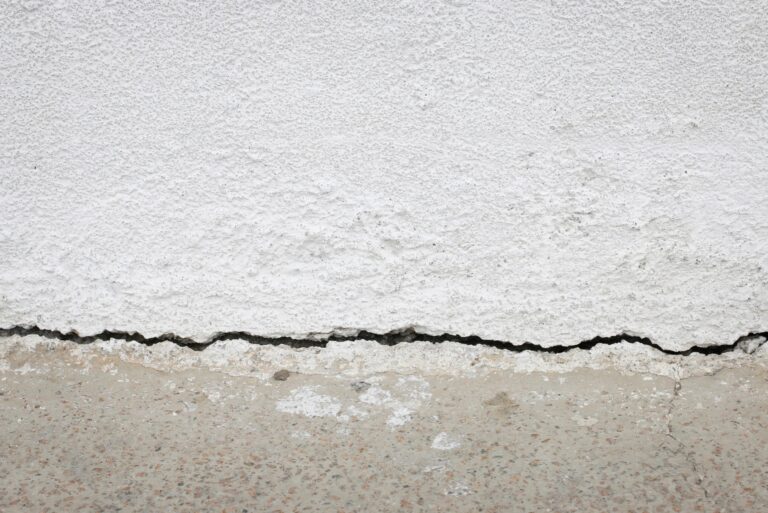
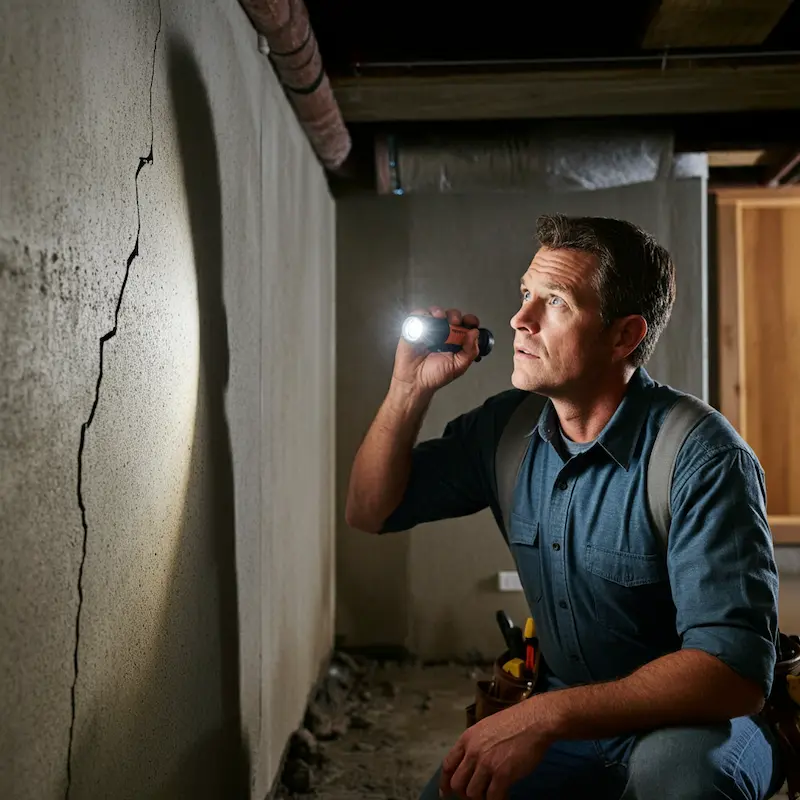
Short Answer: Not all foundation cracks are serious, but some are early signs of structural or water-related problems. Hairline cracks are often cosmetic, while wider, horizontal, or leaking cracks may need professional attention.
Why This Question Comes Up in Spring
In Edmonton, foundation concerns tend to show up quickly this time of year.
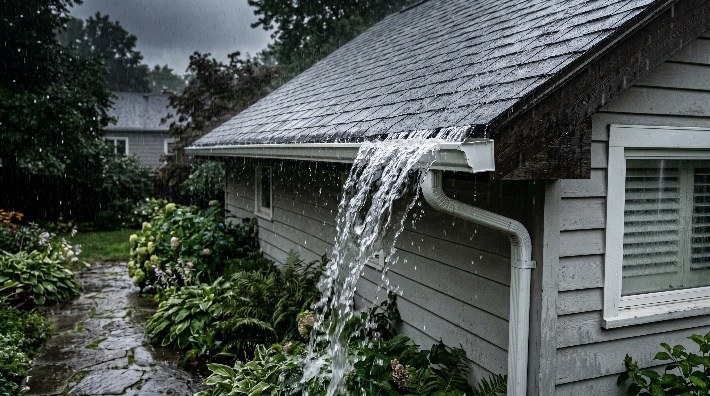
As snow melts, the ground around your home becomes saturated. Pressure builds against the foundation, and water looks for any available path inside. Cracks that were barely noticeable in winter can suddenly become visible, or start letting moisture in.
It’s a short window where things go from “probably nothing” to “I should take a closer look.”
Types of Foundation Cracks (And What They Usually Mean)
Understanding the type of crack you’re seeing helps take some of the guesswork out of it.
Hairline Cracks (Less Than 1/16 Inch)
Common in poured concrete.
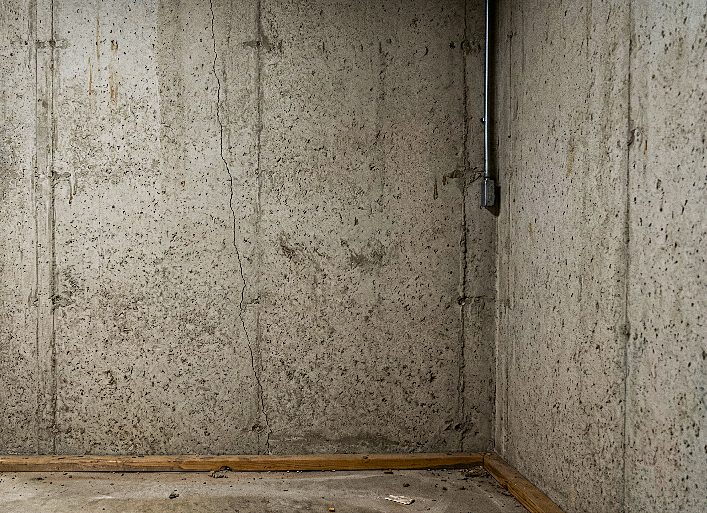
What’s happening: Natural curing or minor settling over time.
How to think about it: Usually not a concern, but worth keeping an eye on.
Vertical Cracks
Straight up and down, sometimes slightly angled.
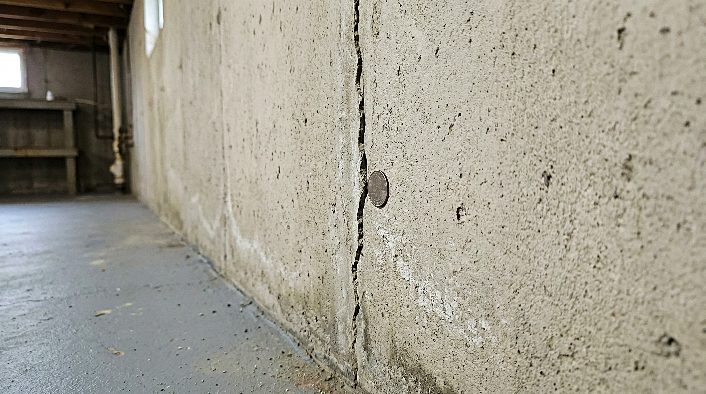
What’s happening: Typical settling or minor soil movement.
How to think about it: Often manageable. Becomes more relevant if it changes or allows water in. Sealing it early with professional foundation crack repair can prevent moisture issues down the road.
Horizontal Cracks
Side-to-side across the wall.
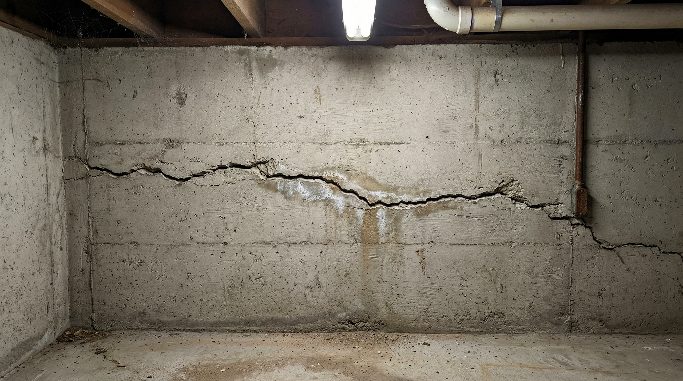
What’s happening: Pressure from soil outside the foundation, especially in clay-heavy areas like Edmonton.
How to think about it: This is where it shifts from “monitor” to “pay attention.” These can indicate structural stress, and solutions like basement waterproofing or improved drainage installation and sump pumps can help relieve the pressure behind the wall.
Stair-Step Cracks (Block Foundations)
Follow the mortar joints in a step pattern.
What’s happening: Uneven settling or shifting.
How to think about it: Typically not something to ignore long-term. In more advanced cases, underpinning or house leveling may be needed to stabilize the foundation.
Cracks That Leak Water
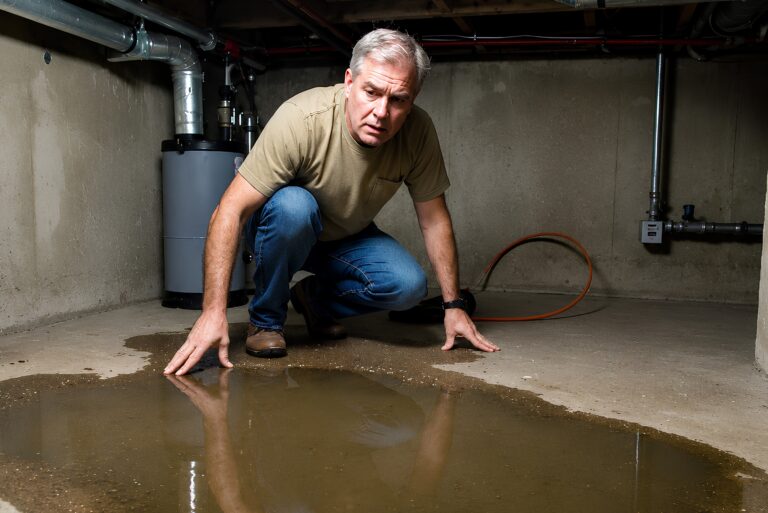
Any crack that allows moisture into the basement.
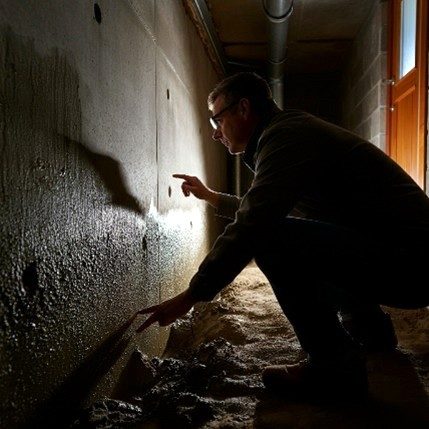
What’s happening: Water is finding a path through a weak point.
How to think about it: Even a small crack matters once water is involved, especially during spring melt.
Signs a Crack May Be More Than Cosmetic
You don’t need to overanalyze it, but a few signals are worth noting:
- The crack is wider than 1/8 inch
- It appears to be growing or changing
- There is moisture, dampness, or staining
- The crack is horizontal or stair-step shaped
- Nearby doors or windows feel slightly off or sticking
One of these alone isn’t always serious. A combination of them usually is, and often points to broader structural home issues worth having a professional look at.
When It’s Likely Minor
Some cracks are simply part of how a home settles over time. In many cases, it’s less concerning when:
- The crack is thin and vertical
- There’s no moisture present
- It hasn’t changed over time
- Everything else in the home feels normal
Even then, it’s something most homeowners check on periodically, especially after winter.
Why This Happens in Edmonton Homes
Local conditions play a crucial role in how foundations behave. Homes in this area deal with:
- Clay soil that expands when wet
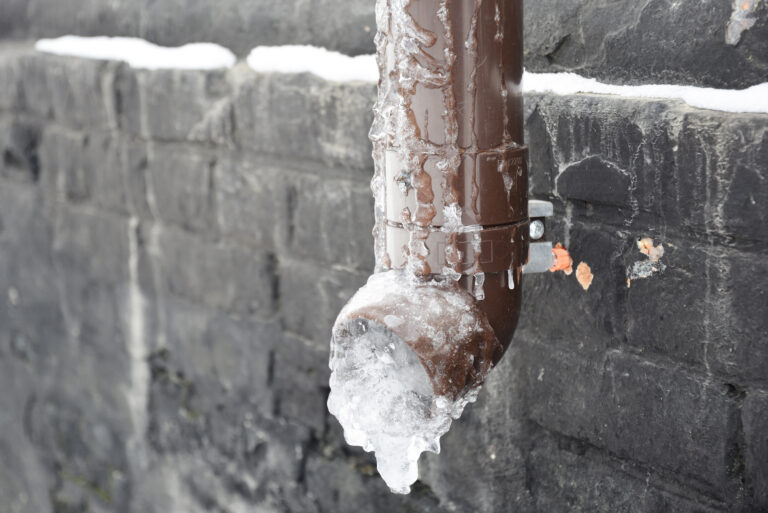
- Freeze-thaw cycles that create movement in the ground
- Rapid spring melt that introduces large volumes of water
That combination puts repeated stress on foundation walls year after year. Most cracks aren’t sudden, they’re the result of gradual pressure finally becoming visible.
A Practical Way to Look at It
If you’re unsure what you’re seeing, a simple approach helps:
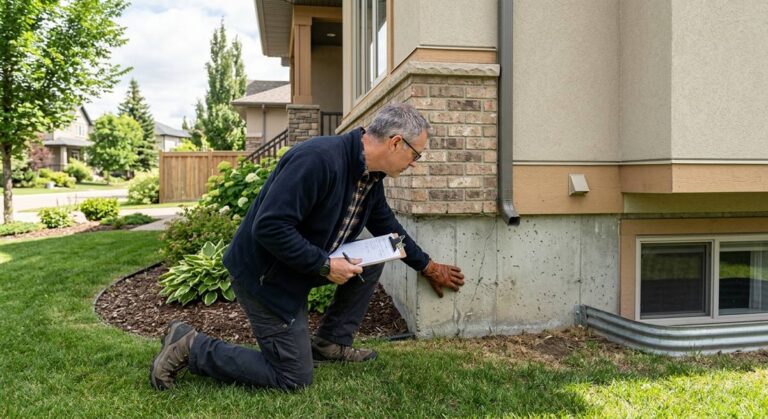
- Take a clear photo of the crack today
- Check it again in a few weeks
- Pay attention to any moisture or changes
Often that’s enough to give you clarity. And if it doesn’t, at least you’re not guessing.
The Bottom Line
Most foundation cracks aren’t urgent. But the ones that matter tend to show a few obvious signs and don’t usually improve on their own. Spring is when those differences become easier to spot.
For a lot of homeowners, the next step isn’t driven by urgency, it’s just wanting to be sure of what they’re looking at. If you’re looking at foundation cracks that may be concerning, give the pros at Shield Foundation Repair a call today at 780 760 4900 or use our handy contact form.