Spring in Edmonton does not always arrive gently. One day the snow is still piled along the fence line, packed down and stubborn, and the next it begins to soften, turning the yard into a mix of melting drifts, damp soil, and slow-moving water. The ground feels heavy underfoot, the air carries that cold, wet edge, and everything seems to be in transition. It is not quite winter, not quite spring, but it is in this in-between season that your yard quietly reveals how it handles moisture.
This is the time to take a closer look. Not because something is wrong, but because the way your yard responds now can tell you a lot about how well your foundation is protected. A few simple observations can help you stay ahead of potential issues and keep everything performing as it should.
Pooling Water Near Your Foundation
After snowmelt or rainfall, it is normal to see some moisture in your yard. However, water should naturally drain away from your home rather than settle near the foundation. If you notice consistent pooling within a few feet of your house, it may be a sign that your grading or drainage could use some adjustment.
Managing water flow early helps reduce unnecessary stress on your foundation over time.
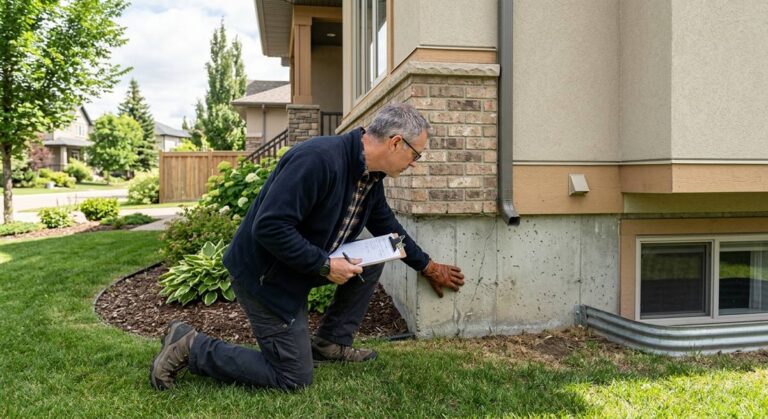
Soil Pulling Away from the Foundation
As the ground dries out in spring, soil can shrink slightly and create small gaps near your foundation. This is a common seasonal change, especially in areas with freeze-thaw cycles. Keeping an eye on these gaps is helpful, as they can allow water to travel downward more easily during rain.
In many cases, adding or regrading soil can help restore proper coverage and improve drainage.
Downspouts Draining Too Close to the House
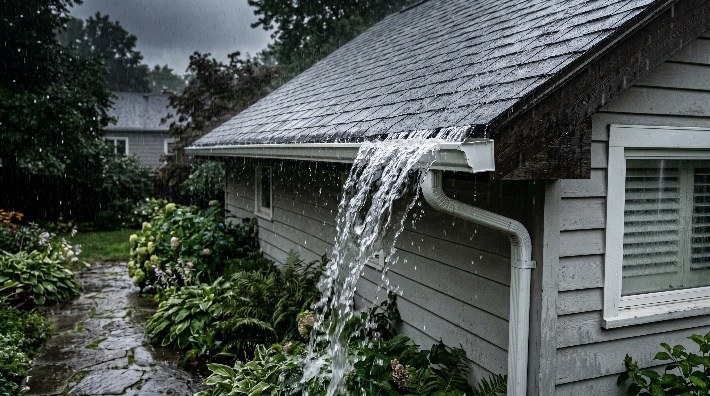
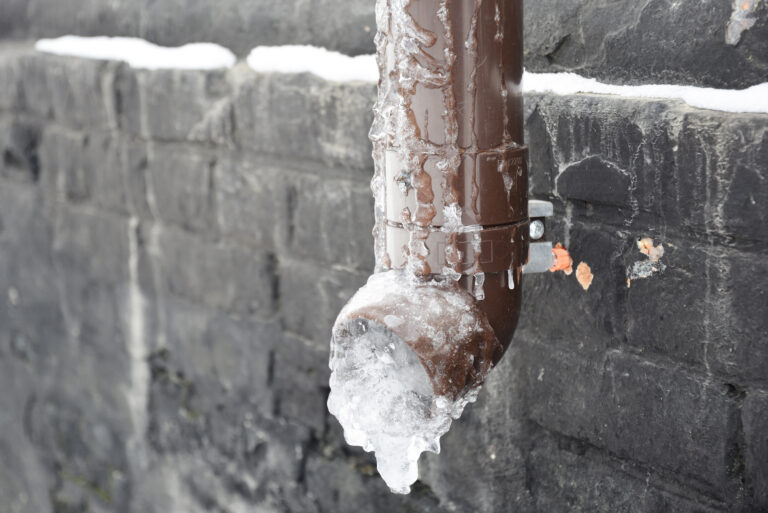
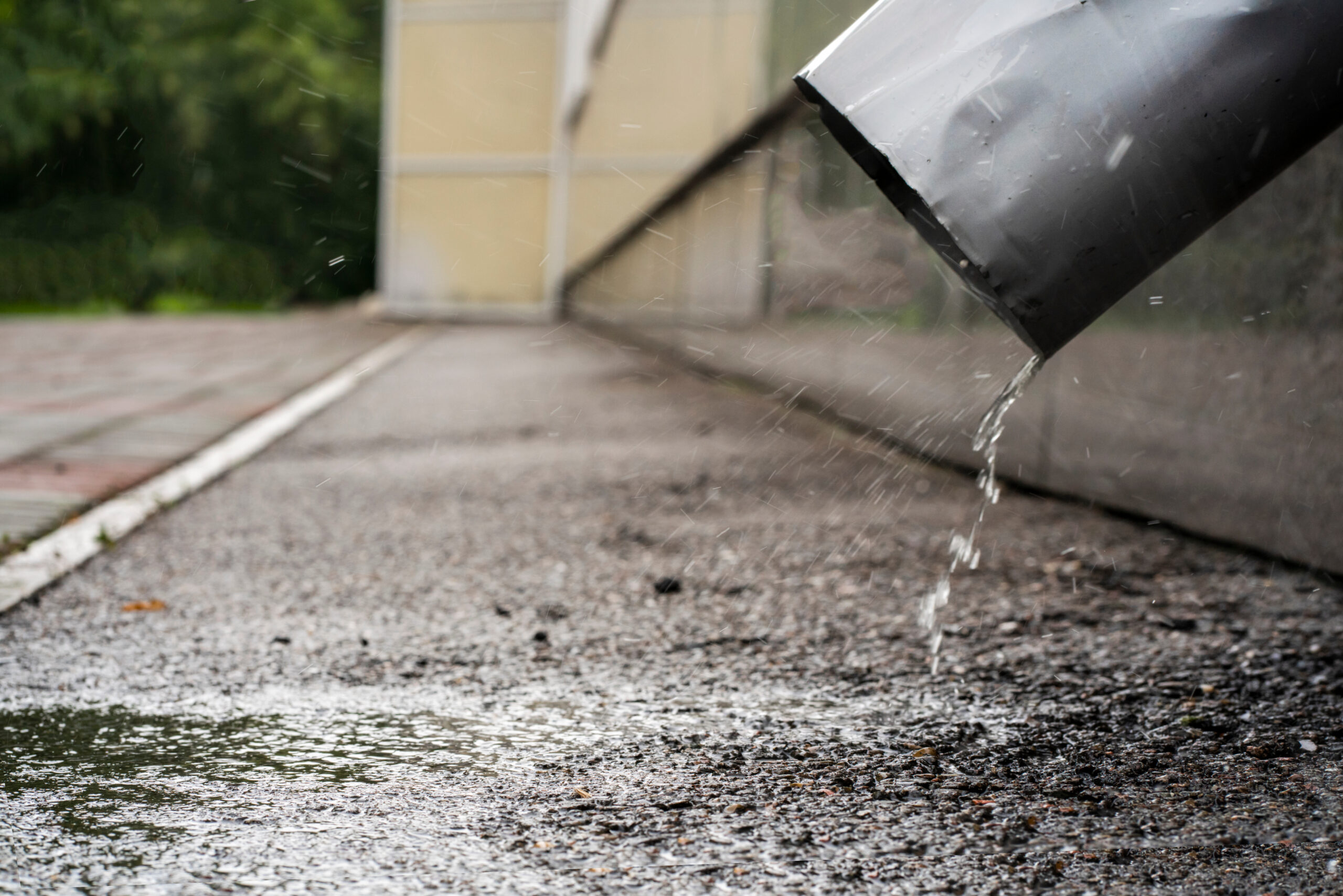
Your downspouts handle a large amount of water during the spring months. If they are releasing water too close to your home, that moisture can gradually work its way back toward the foundation.
Extending downspouts a few feet away is a simple and effective way to guide water safely away from your property.
Uneven or Sinking Areas in the Yard
It is not unusual for lawns to shift slightly after winter. You may notice soft or uneven areas as the soil settles. These low spots can collect water more easily, which may influence how moisture is distributed around your home.
Addressing these areas with proper grading can help maintain consistent drainage across your yard.
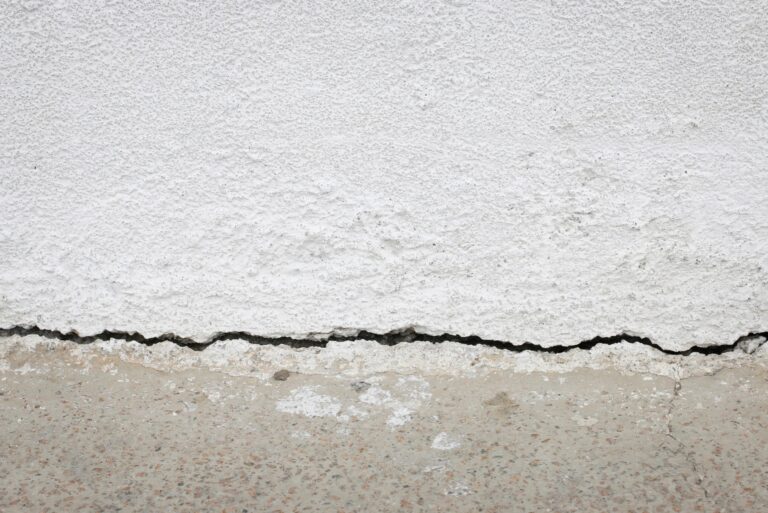
Cracks in Exterior Concrete
Small cracks in driveways, walkways, or patios are fairly common and often develop over time. In some cases, they can reflect minor ground movement beneath the surface. They may also affect how water flows during rain.
Sealing or repairing these cracks can help keep water moving away from your foundation as intended.
Window Wells Filling with Water or Debris
Window wells are designed to keep water away from basement windows, but they can become less effective if they fill with debris or excess water. A quick check to ensure they are clear and draining properly can help prevent moisture from building up in these areas.
Routine maintenance here is simple and can make a noticeable difference.
Early Signs of Basement Moisture or Odours
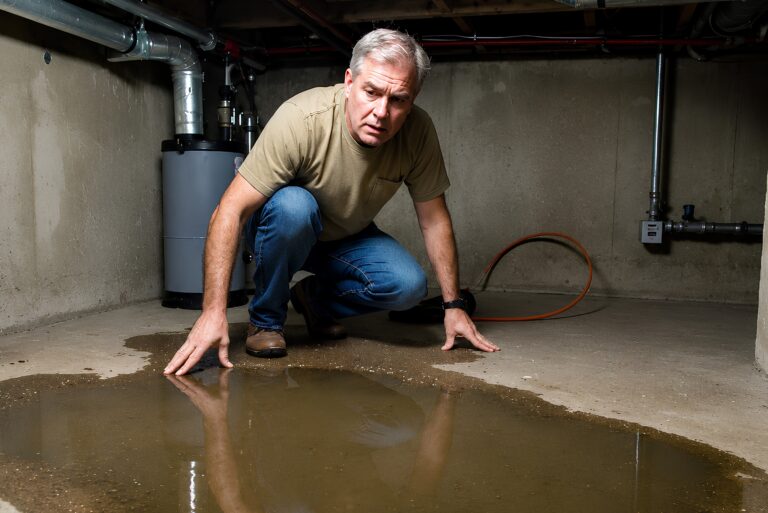
Spring conditions outside can sometimes be reflected inside your home. You might notice slightly damp air or a mild musty smell in the basement as moisture levels change. These are often early indicators that it may be worth taking a closer look at exterior drainage.
Addressing conditions outside the home is usually the most effective way to manage these signs.
Quick Spring Yard Checklist
- Water collecting close to your foundation
- Small gaps between soil and foundation walls
- Downspouts releasing water near the home
- Uneven or low areas in the yard
- Minor cracks in concrete surfaces
- Window wells holding water or debris
- Slight dampness or musty odours in the basement
Staying Proactive This Spring
Seasonal changes are a normal part of homeownership, and most springtime yard issues can be managed with simple adjustments. Taking the time to observe how your yard responds to melting snow and rain can help you make small improvements that support your foundation over the long term.
If you are unsure about anything you are seeing, a professional inspection can provide clarity and peace of mind. A proactive approach helps ensure your home remains stable, dry, and well protected throughout the year.