Here’s How to Get Control of It. Step by Step.
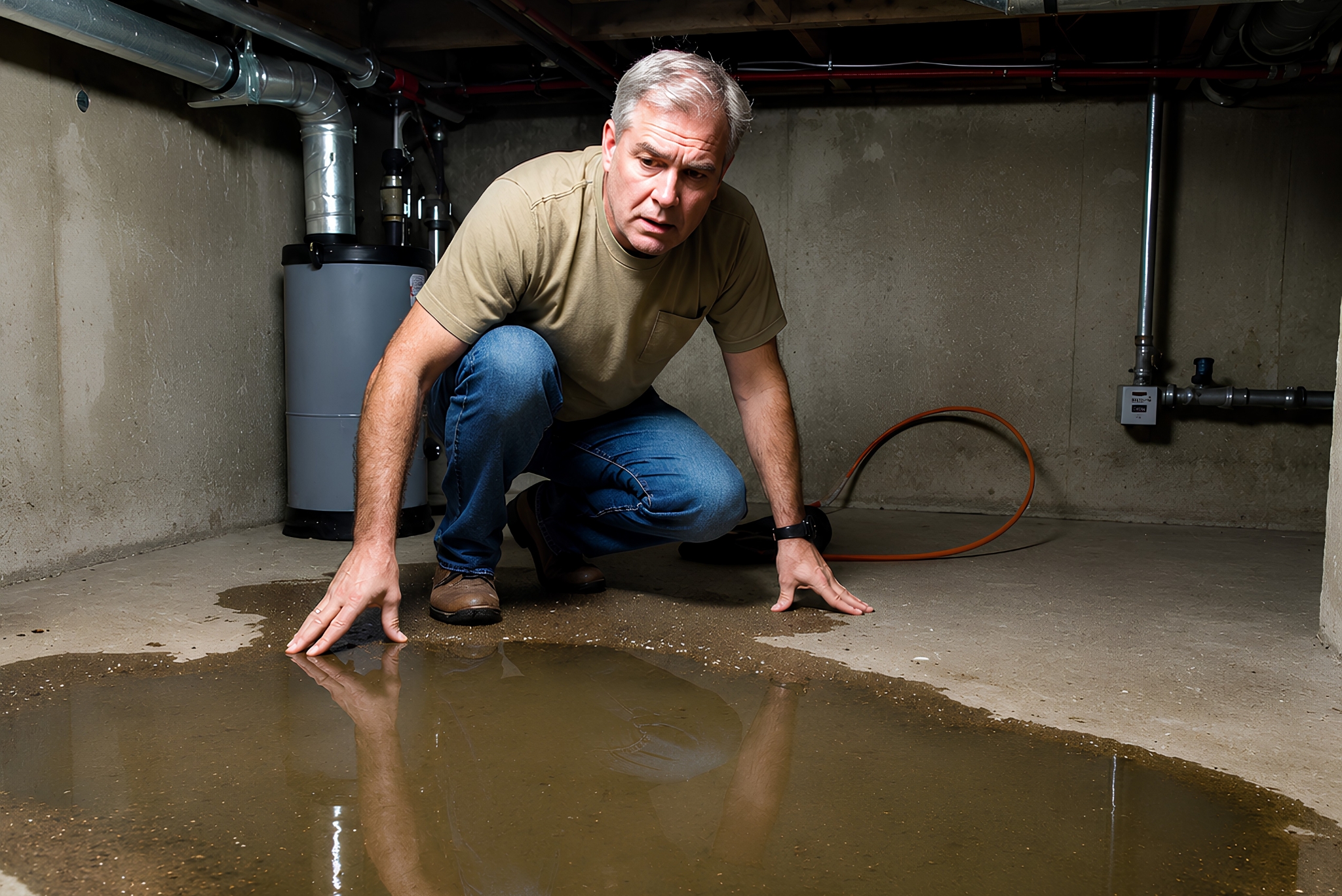
As a homeowner, you’ve been there, or you will be some day. Eventually, water shows up where it shouldn’t, and now, you’re left trying to figure out what this actually means.
In Edmonton, this tends to happen during spring melt. But the timing isn’t the real issue.
The issue is simple: something has changed, and you need to get control of it.
Step 1: Focus on What You Can Right Now
Start with the obvious. Don’t overcomplicate it.
- Move anything valuable out of the area.
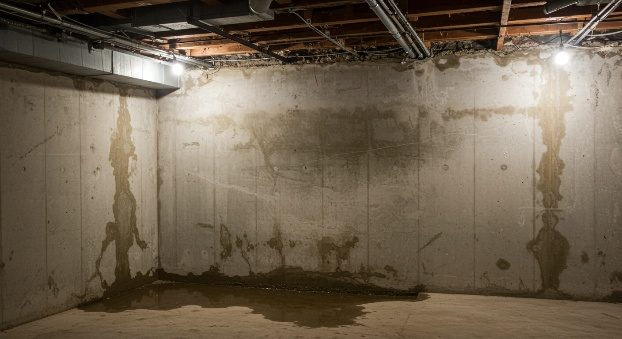
- Find where the water is entering:
- Wall
- Floor joint
- Around a pipe or window
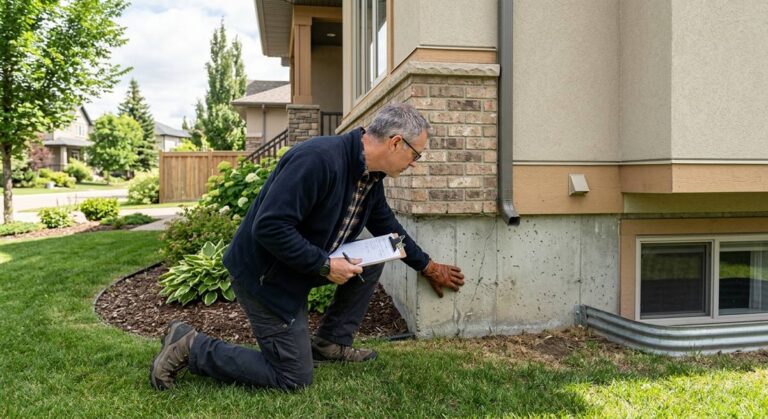
If possible, take a quick look outside for:
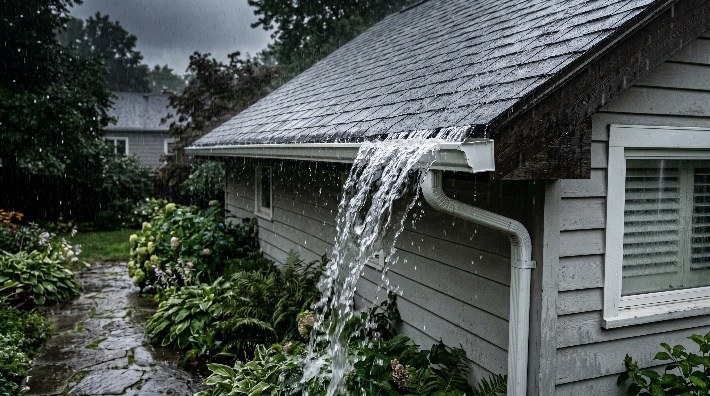
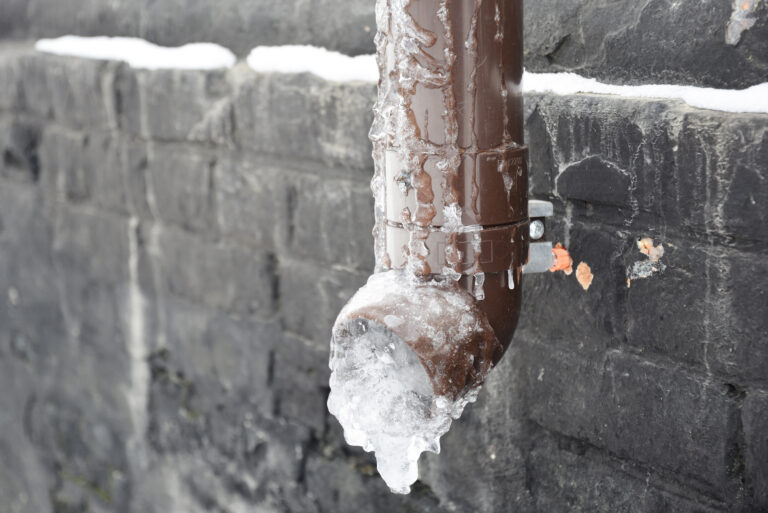
- Downspouts discharging near the foundation
- Snow piled against the house
- Water collecting along the wall
If water is being directed toward your home, even minor changes can reduce how much is getting in.
This isn’t a repair. It’s control, and it buys you time.
Step 2: What’s Actually Happening
In most cases, this isn’t a random occurrence. The ground around your home is saturated, and water is pushing toward the foundation. During spring melt, soil can’t absorb moisture fast enough. Pressure builds and water finds a path through:
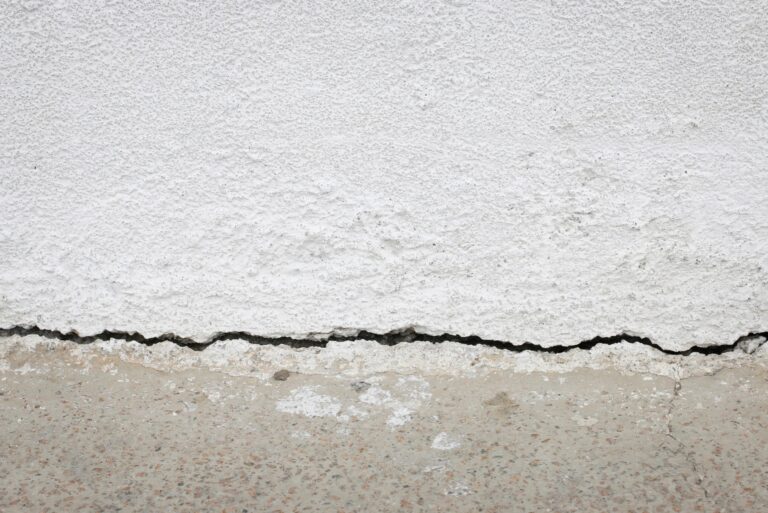
- Small cracks
- Floor-to-wall joints
- Naturally porous concrete
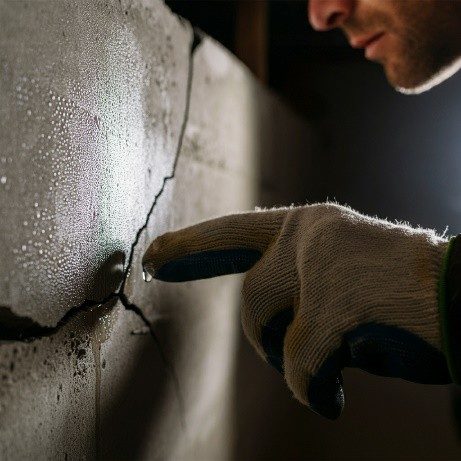
Here’s the part most people get wrong. This doesn’t automatically mean your foundation is failing. It means the conditions around your home are forcing water to move and your foundation is ultimately where it shows up.
Step 3: Is This a One-Time Event, or a Pattern?
You don’t need a full diagnosis. You need a read on direction. The two most common are:
More likely situational:
- First time you’ve seen it
- A small amount of water
- Usually tied to rapid melt or heavy rain
Worth paying attention to:
- Happens every spring
- Same location each time
- Gradually increasing
Act sooner if water is actively entering, cracks are widening or horizontal, or water is coming up through the floor.
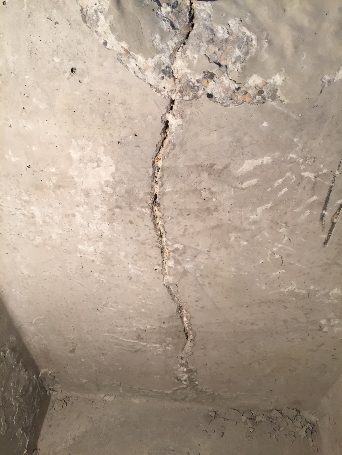
The question isn’t how bad it looks today. It’s “Is this staying the same or getting worse?”
Step 4: Temporary Control vs Permanent Fix
This is where most homeowners get mixed signals. Things like extending downspouts, improving surface drainage, and sealing minor interior cracks can help reduce water in the short term. They don’t stop the pressure outside.
Permanent solutions such as exterior waterproofing, interior drainage systems, and correcting grading deal with the cause, not just the symptom. For more information on grading, see here.
What’s appropriate depends on how water is getting in and how often it’s happening. That’s why generic advice tends to fall short.
Step 5: Can You Wait, or Should You Act?
Not every situation requires immediate work.
You can usually monitor it if:
- It’s the first occurrence
- Water is minimal
- Conditions were unusually wet
You should take a closer look now if:
- It’s happening repeatedly
- The affected area is expanding
- You’re managing it every season
There’s nothing wrong with waiting. But waiting without understanding what’s happening usually leads to decisions later, under more pressure, not less.
Step 6: Get a Straight Answer
At a certain point, most homeowners reach the same conclusion: “I need to know what’s going on here.”
That doesn’t require a sales process. It requires a clear assessment:
- Where the water is coming from
- Whether it’s likely to get worse
- What your realistic options are
You should come away with clarity, not confusion.
Take Control, On Your Terms
Water in the basement isn’t unusual in this region. But it’s never something to ignore without understanding it.
If you want a clear, no-pressure assessment, Shield Foundation Repair provides straightforward evaluations so you can make a decision based on what’s actually happening, not guesswork. Give us a call today at 780-760-4900.