Noticing that your floors are uneven, sloping, or feel like they’re sinking can be concerning. While it may start as a minor issue, sinking floors are often a sign of a deeper structural problem that should not be ignored.
Understanding what causes sinking floors is the first step toward protecting your home and preventing more serious damage over time.
What Does a Sinking Floor Look Like?
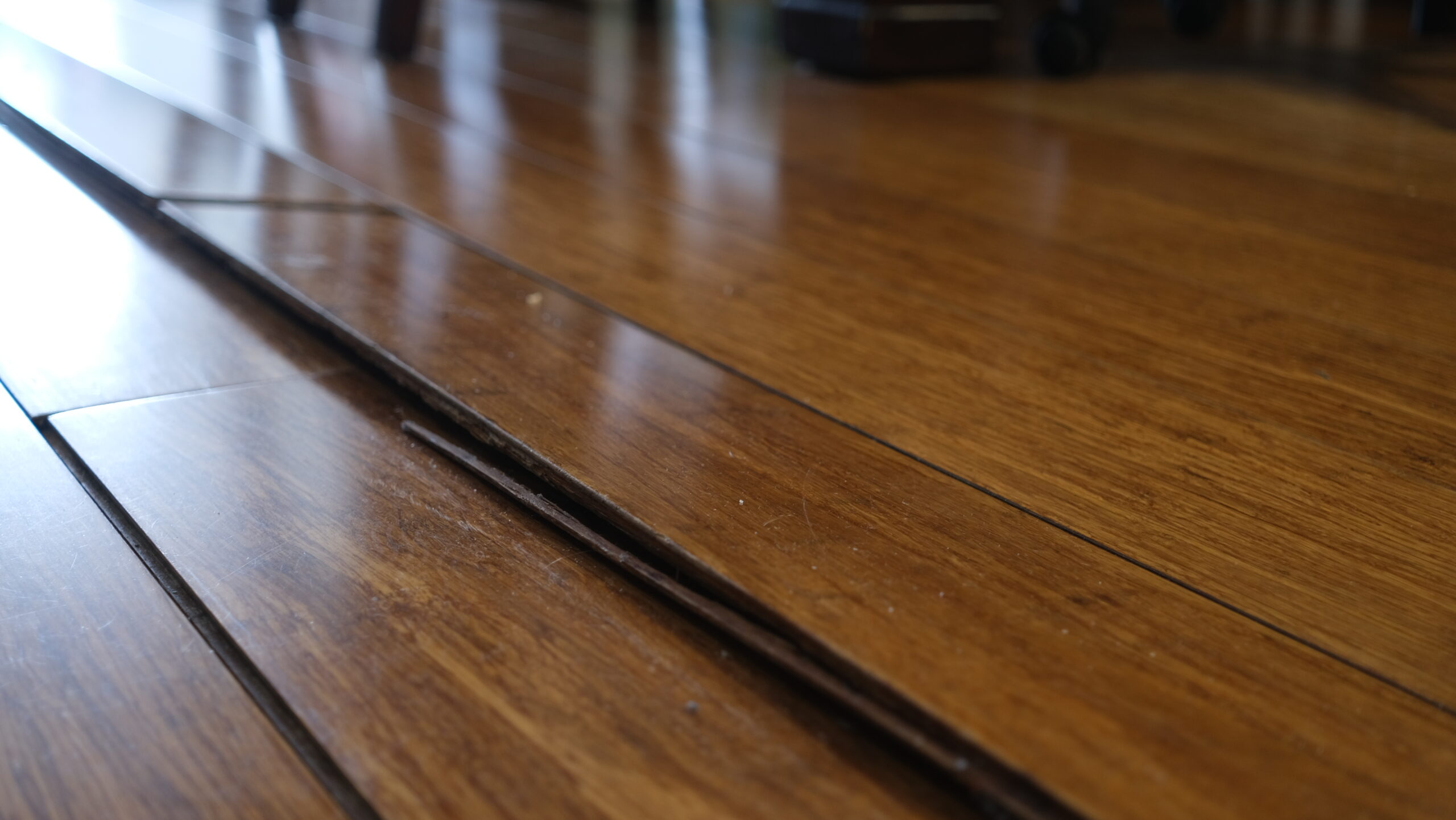
Sinking floors are not always obvious at first. In many cases, the changes happen gradually, making them easy to overlook until the problem becomes more severe.
You may notice that furniture is no longer level, doors begin to stick, or there are visible dips or slopes in certain areas of your home. These symptoms often point to movement beneath the surface and may indicate broader structural home issues.
The Most Common Causes of Sinking Floors
Sinking floors are typically linked to issues with your home’s foundation or the soil beneath it. Several factors can contribute to this type of movement.
- Soil settlement or shifting beneath the foundation
- Excess moisture or water damage weakening the soil
- Poor initial construction or inadequate support
- Aging structural components such as beams or joists
- Foundation cracks or structural movement over time
Each of these issues can affect how weight is distributed throughout your home, leading to uneven or sinking floors.
Soil Movement and Settlement
One of the most common causes of sinking floors is soil movement. Over time, the soil beneath your home can shift, compress, or erode. This is especially common in areas with clay-heavy soil, which expands when wet and shrinks when dry.
As the soil moves, it can no longer support the foundation evenly. This creates pressure points and gaps, causing parts of your home to settle unevenly and resulting in sloping or sinking floors. In more advanced cases, solutions such as underpinning or house leveling may be required to restore stability.
Water Damage and Moisture Issues
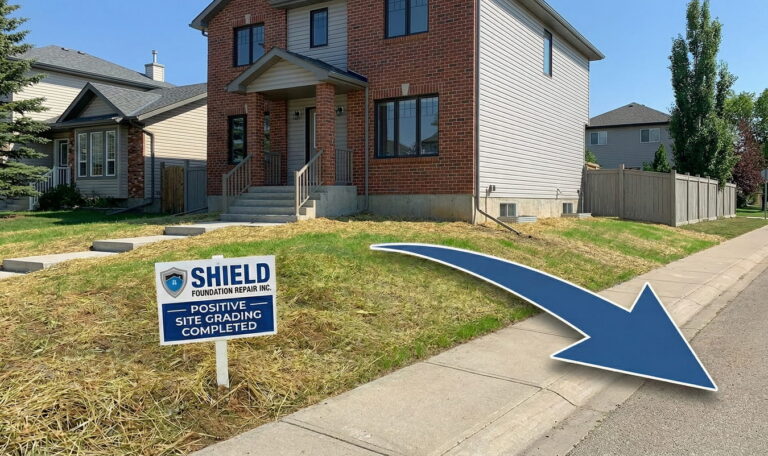
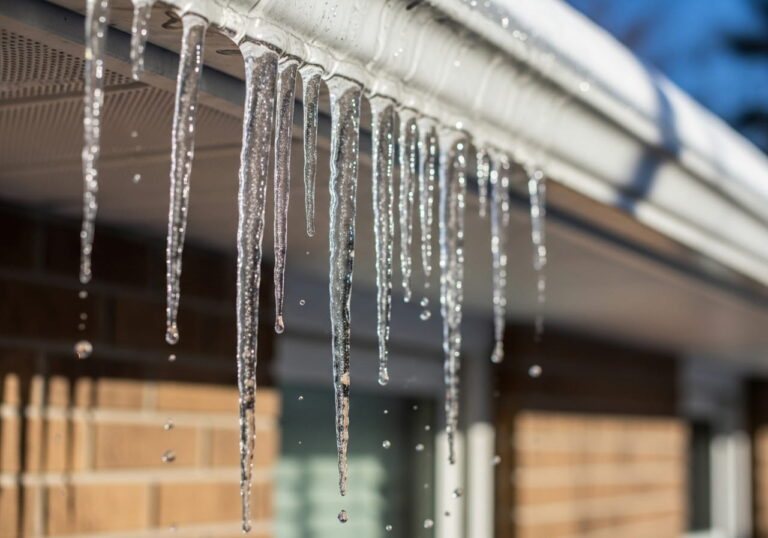
Excess moisture is another major contributor to sinking floors. Poor drainage, leaking pipes, or groundwater buildup can weaken the soil or structure beneath your home.
In basements or crawl spaces, moisture can also damage wooden supports, causing them to rot or lose strength. Over time, this can lead to sagging or sinking in the floors above. Addressing these issues early with solutions like basement waterproofing or proper drainage installation and sump pumps can help prevent further structural damage.
Structural Wear and Aging
Homes naturally experience wear and tear over the years. Wooden beams, joists, and supports can weaken, especially if they have been exposed to moisture or were not properly installed.
As these components lose their strength, they may no longer be able to support the weight of the floor above, leading to visible sagging or uneven surfaces. In some cases, structural concrete repair or reinforcement may be necessary to restore integrity.
Foundation Damage and Cracks
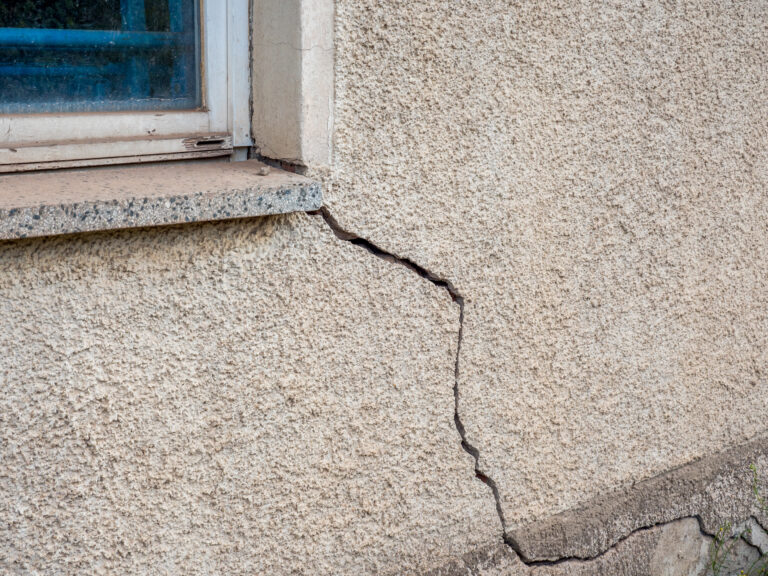
Foundation issues are often at the core of sinking floors. Cracks, shifting, or settling foundations can disrupt the structural integrity of your home.
If the foundation moves even slightly, it can create a chain reaction throughout the structure. Floors may slope, walls can crack, and doors or windows may become misaligned. Addressing these problems early with foundation crack repair can help prevent more extensive damage.
How Sinking Floors Are Fixed
The right repair solution depends on the underlying cause. In many cases, addressing the root issue is key to preventing further damage.
Common repair methods include stabilizing the foundation with underpinning systems, reinforcing floor joists, improving drainage, or performing house lifting to correct structural alignment. A professional inspection is essential to determine the most effective solution for your specific situation.
When to Take Action
Sinking floors rarely resolve on their own. In fact, they often worsen over time if left untreated. Early intervention can help prevent more extensive and costly repairs.
If you notice sloping floors, cracks, or other signs of movement, it is important to have your home assessed by a professional through a detailed home inspection.
Protect Your Home From Further Damage
Sinking floors are more than just a cosmetic issue. They are often a warning sign of underlying structural problems that need attention.
If you are concerned about uneven or sinking floors in your home, contact Shield Foundation Repair today. Our team can identify the root cause, recommend the right solution, and help restore the safety and stability of your home before the problem gets worse.