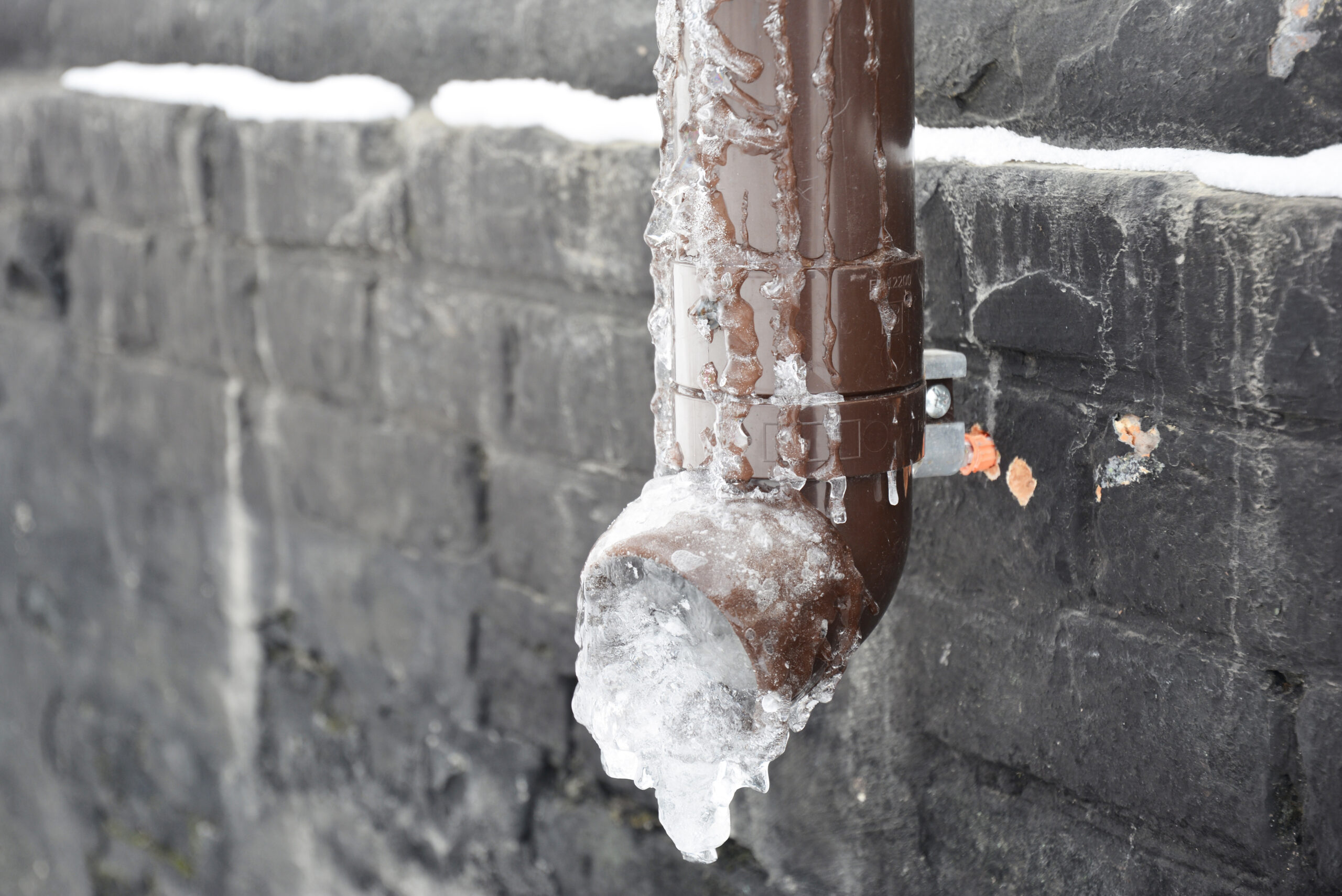
Spring snowmelt basement leaks are a recurring issue for homeowners in cold climates. Throughout winter, snow accumulates and freezes in layers around the foundation. When temperatures rise, rapid melting saturates the soil faster than it can properly drain. This creates significant hydrostatic pressure against foundation walls.
Unlike heavy rainfall, snowmelt releases a concentrated volume of water within a short period. Frozen ground often prevents proper absorption, forcing water to move laterally toward the home. If drainage systems are compromised or grading is inadequate, that water will find the path of least resistance. In many cases, that path leads directly into the basement.
Homes with older waterproofing systems or deteriorating weeping tile are especially vulnerable. Even small foundation cracks can allow steady seepage during thaw cycles. Addressing spring snowmelt basement leaks early prevents structural deterioration and interior damage.
How Hydrostatic Pressure Causes Basement Water Intrusion
Hydrostatic pressure develops when saturated soil exerts pressure on foundation walls. As snow melts, groundwater levels rise rapidly. The increased pressure forces moisture through porous concrete and small structural openings. Over time, this repeated exposure weakens the foundation envelope.
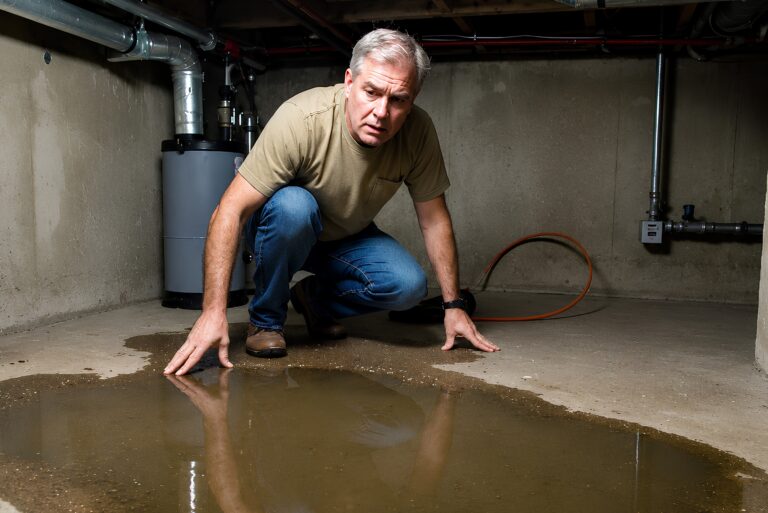
Concrete is not fully waterproof on its own. Without proper exterior protection or drainage systems, water infiltration becomes likely during seasonal transitions. Basement leaks often appear at wall-floor joints, hairline cracks, or tie rod holes. If left untreated, minor seepage can evolve into recurring flooding.
Solutions such as professional basement waterproofing help create a protective barrier between saturated soil and foundation walls. Exterior membranes, drainage boards, and properly functioning weeping tile systems significantly reduce pressure against the structure.
Warning Signs of Spring Snowmelt Basement Leaks
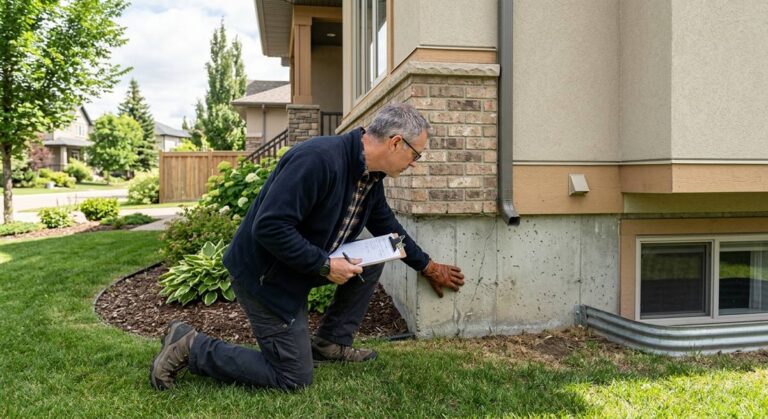
Spring snowmelt basement leaks rarely happen without warning. Early detection reduces the likelihood of extensive repairs and mold remediation. A professional inspection can determine whether the issue stems from grading, cracks, or failing waterproofing components. Watch for these common indicators during thaw season:
- Damp or darkened concrete walls
- Water pooling near the base of foundation walls
- Musty odours or increased basement humidity
- Efflorescence, which appears as white mineral residue
- Sudden sump pump activity during warm spells
The Role of Proper Drainage and Site Grading
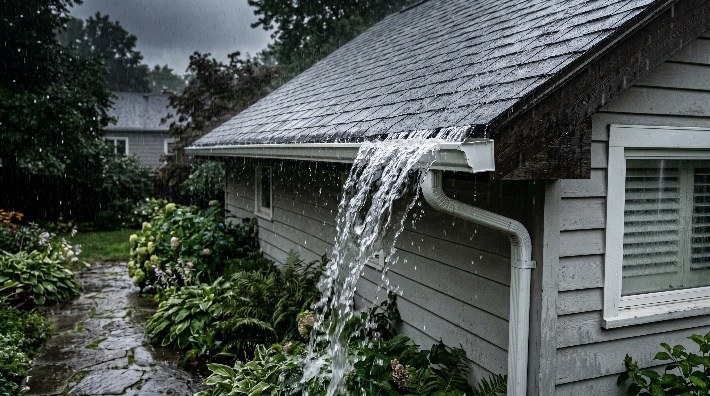
Exterior water management is critical in preventing spring snowmelt basement leaks. Proper slope ensures melting snow drains away from the home rather than collecting near the foundation. Even minor grading deficiencies can cause pooling that increases hydrostatic pressure.
Professional positive site grading corrects improper slopes and directs runoff safely away from structural walls. In combination with functional downspouts and clear eavestroughs, grading significantly reduces water accumulation near the foundation.
Subsurface drainage systems also play a major role. If weeping tile becomes clogged or damaged, groundwater cannot properly disperse. Timely weeping tile installation and repair restores drainage efficiency and protects against seasonal surges.
Repairing Foundation Cracks Before Snowmelt Season
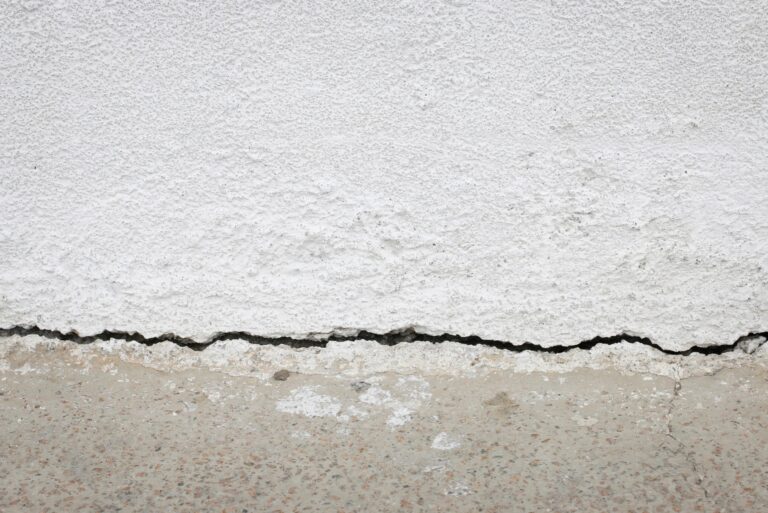
Small cracks often worsen during freeze-thaw cycles and become entry points during spring. Even hairline fractures can expand under pressure. Sealing these vulnerabilities before snowmelt begins is a preventative investment.
Professional residential foundation crack repair helps stabilize structural integrity and prevent moisture intrusion.
If leaks have already caused structural stress, broader structural home issues may need evaluation. Addressing underlying movement prevents recurring seasonal damage.
Protect Your Basement Before the Spring Thaw Begins
If you are concerned about spring snowmelt basement leaks, Shield Foundation Repair provides comprehensive inspection and repair solutions across Edmonton and surrounding areas. From professional basement waterproofing to weeping tile repair and crack repair, the team focuses on addressing the root cause of water intrusion, not just the symptoms.
Schedule a home inspection today to ensure your foundation is prepared for the spring thaw. Early intervention helps prevent structural damage, reduces repair costs, and keeps your basement dry when snow begins to melt.