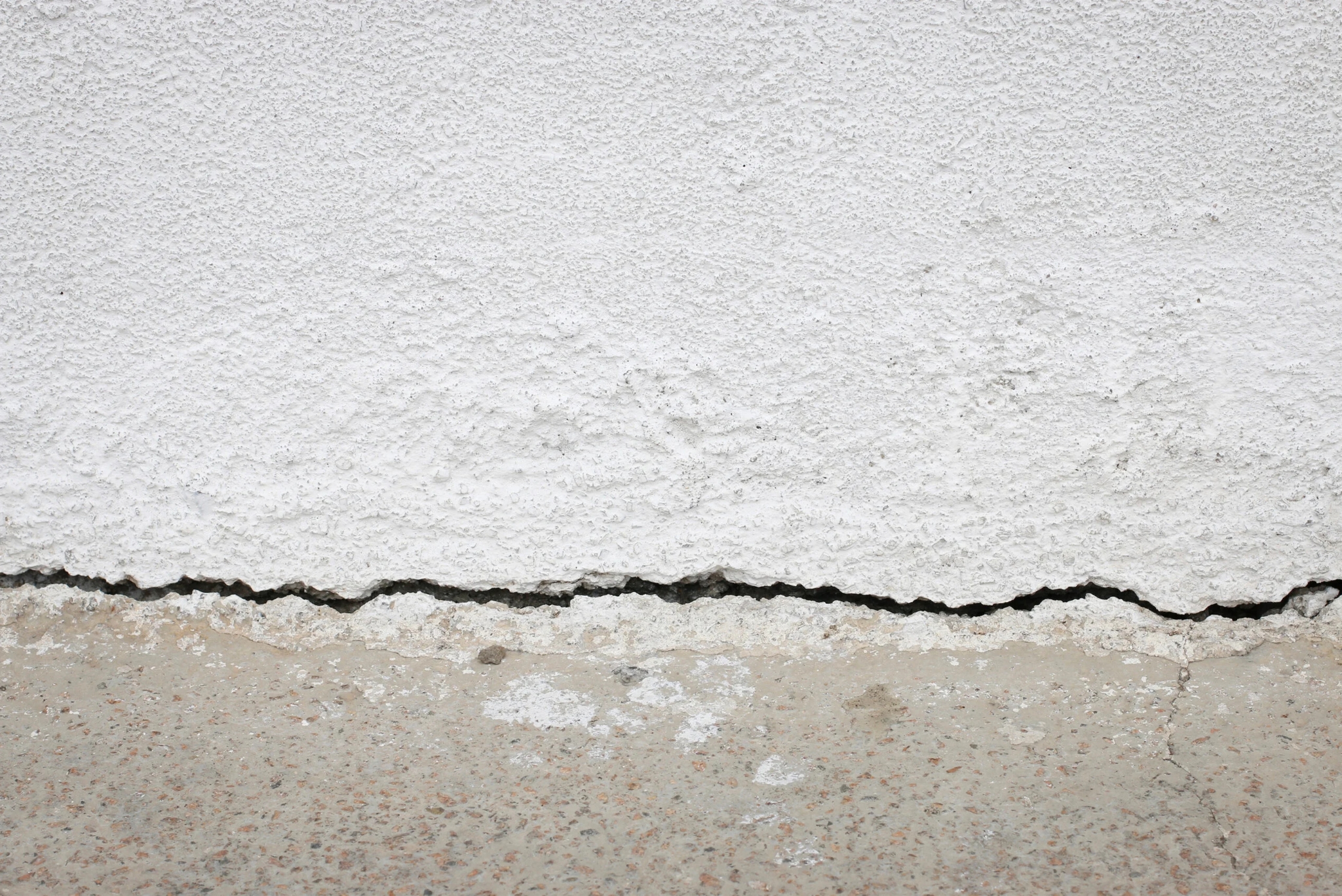
Small basement cracks are common in residential foundations, especially in regions with seasonal temperature shifts. Many homeowners assume hairline cracks are simply cosmetic shrinkage from curing concrete. While some minor cracking is normal, others signal structural stress or water intrusion risks.
Concrete naturally shrinks as it cures, which can create vertical hairline cracks. However, ongoing soil movement, freeze-thaw cycles, and hydrostatic pressure can widen those cracks over time. What begins as a minor fracture can evolve into a pathway for moisture infiltration. Understanding the difference between cosmetic and structural cracking is critical.
In Edmonton, expansive clay soils and extreme seasonal transitions increase the likelihood that small basement cracks will worsen if left unaddressed.
What Causes Small Basement Cracks to Form
Small basement cracks typically develop from one or more underlying forces acting on the foundation. These forces may be environmental, structural, or related to drainage deficiencies. Common causes include:
- Concrete shrinkage during initial curing
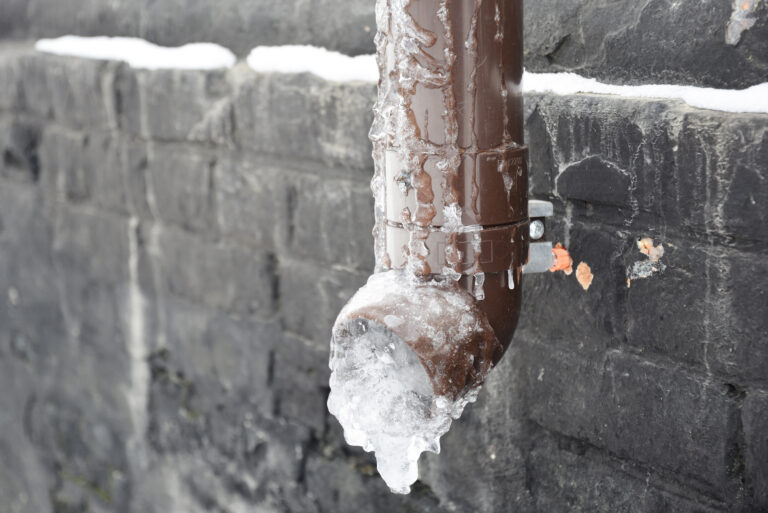
- Freeze thaw expansion cycles
- Hydrostatic pressure from saturated soil
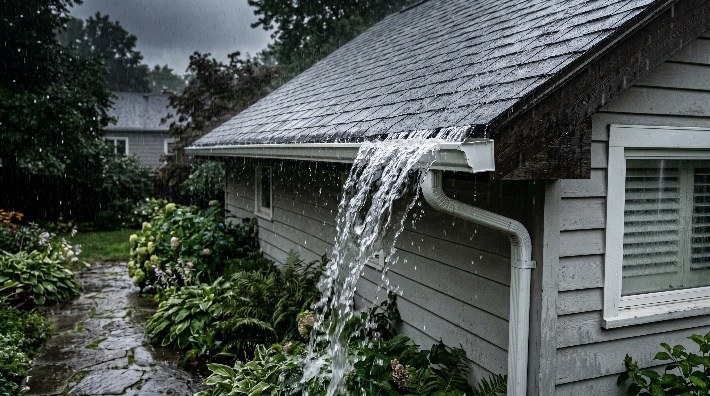
- Improper site grading directing water toward the home
- Uneven settlement of foundation footings
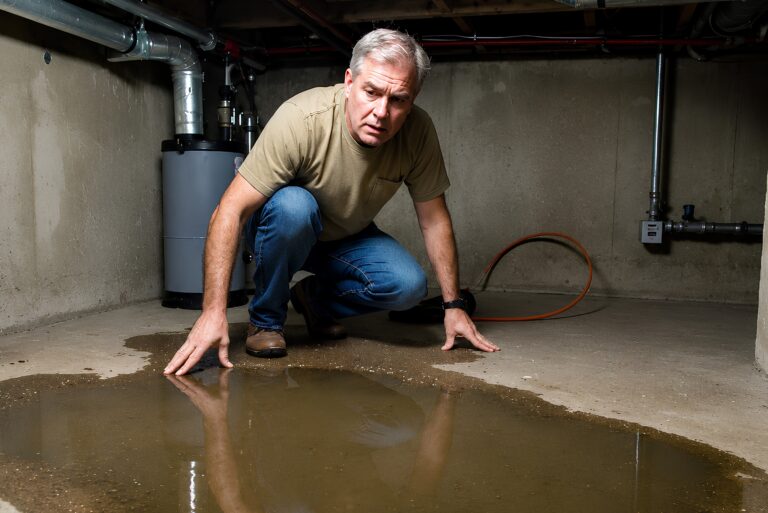
When moisture accumulates around the foundation, pressure builds against the basement walls. Over time, that stress can enlarge small basement cracks and lead to water penetration.
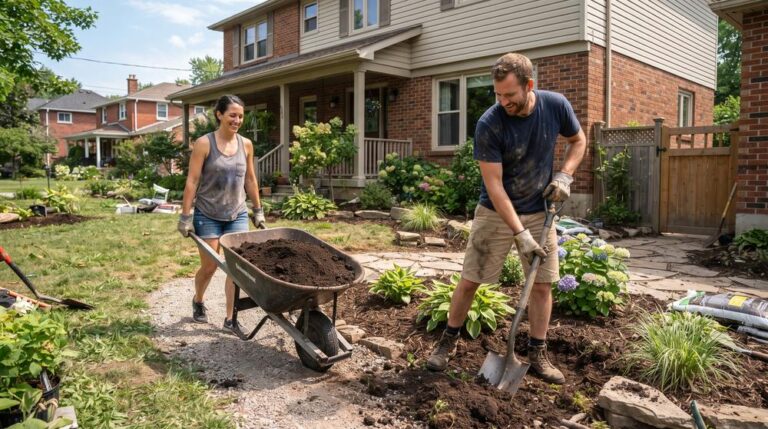
Professional drainage improvements, such as positive site grading, drainage installation and sump pumps, and exterior drainage systems help reduce exterior water pressure and prevent further cracking.
When Small Basement Cracks Indicate Structural Movement
Not all small basement cracks are harmless. Vertical cracks may be less concerning if they remain narrow and stable. However, horizontal cracks, stair-step cracks in block walls, or cracks that widen over time often indicate structural pressure.
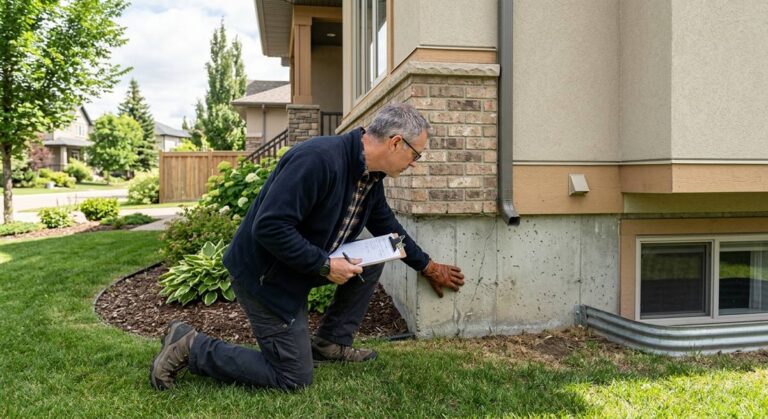
Signs that small basement cracks may be structural include widening gaps, recurring leaks during heavy rain or snowmelt, and visible wall bowing. If cracks exceed several millimetres in width or show displacement between concrete sections, professional evaluation is necessary.
Foundation movement related to settlement can also contribute to crack formation. If you suspect uneven settlement, services such as underpinning or broader structural home issues assessments may be required to stabilize the foundation before sealing cracks.
How Professional Crack Repair Protects Your Foundation
Sealing small basement cracks without addressing root causes often leads to recurring problems. Professional repair methods focus on both structural stability and moisture protection.
Comprehensive residential foundation crack repair helps prevent water intrusion and protects against long-term deterioration. When paired with exterior solutions such as basement waterproofing, crack repair significantly improves foundation resilience.
Early intervention is typically far less expensive than repairing advanced structural damage. Addressing small basement cracks promptly reduces the likelihood of mold growth, interior damage, and escalating repair costs.
Protect Your Home from Small Basement Cracks Before They Grow
If you have noticed small basement cracks in your foundation walls, do not wait for them to widen or leak. Shield Foundation Repair provides detailed inspections and permanent repair solutions designed for Alberta soil and climate conditions.
Our team identifies the underlying cause of cracking and recommends targeted repairs that restore structural integrity and prevent moisture intrusion. Schedule a home inspection with Shield Foundation Repair to assess foundation cracks and protect your home from future structural damage.