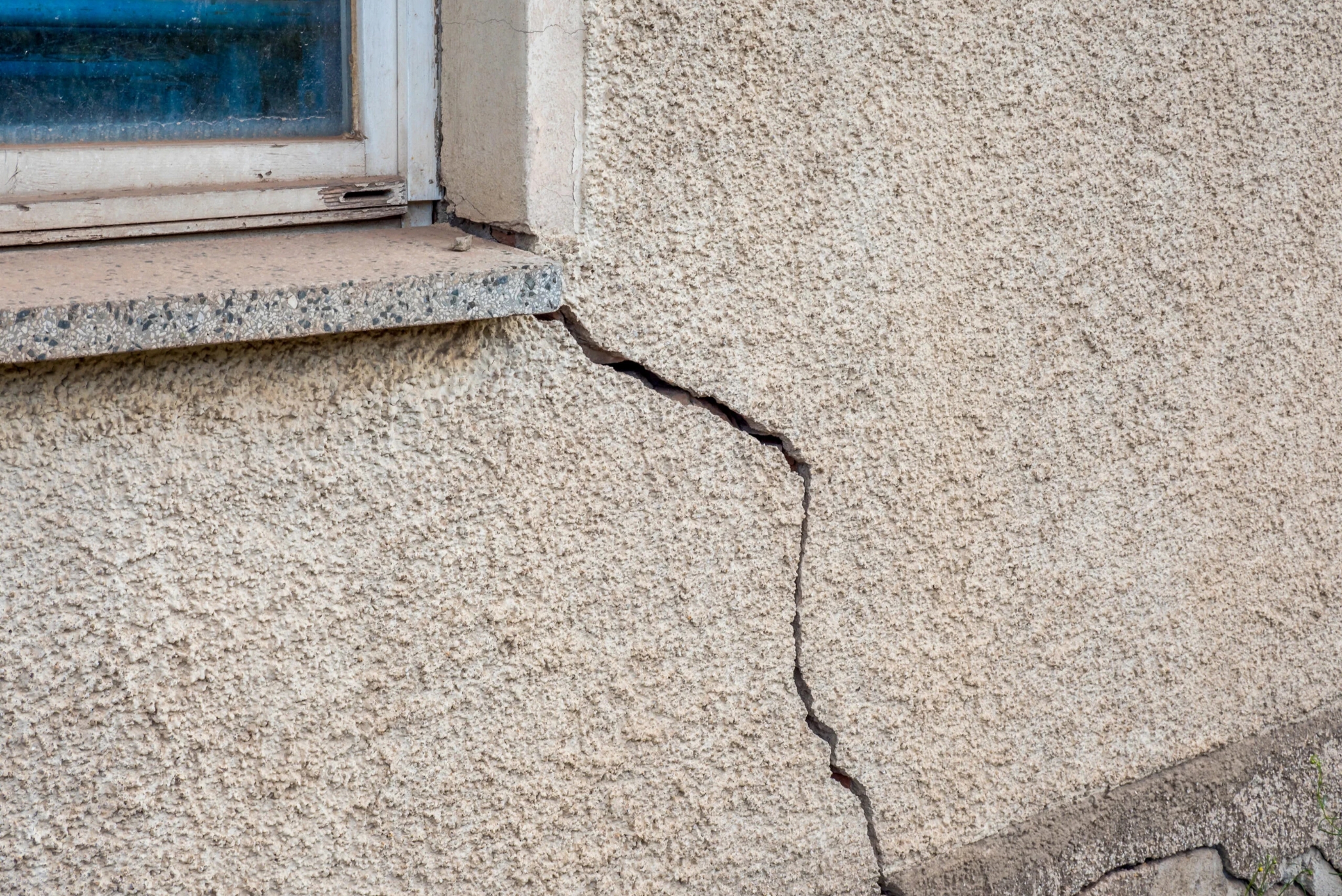
Not all basement cracks are the same. While some may be harmless and caused by normal settling, others can signal serious foundation problems that require immediate attention.
Understanding the different types of basement cracks can help you determine when to monitor a situation and when to take action to protect your home.
Why Basement Cracks Happen
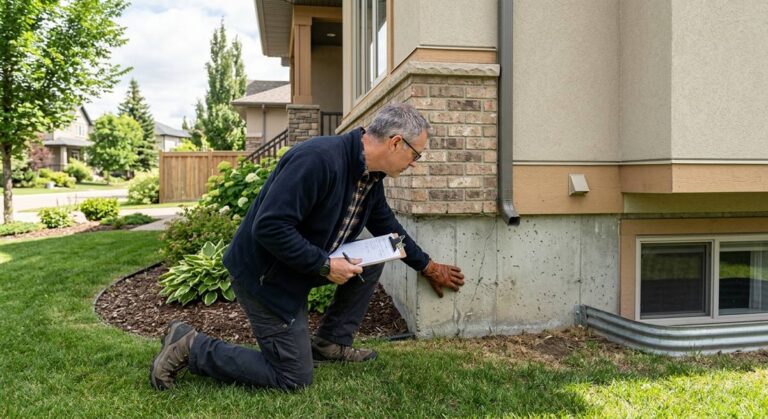
Basement cracks are often the result of pressure on your foundation. This pressure can come from soil movement, moisture changes, or structural stress over time.
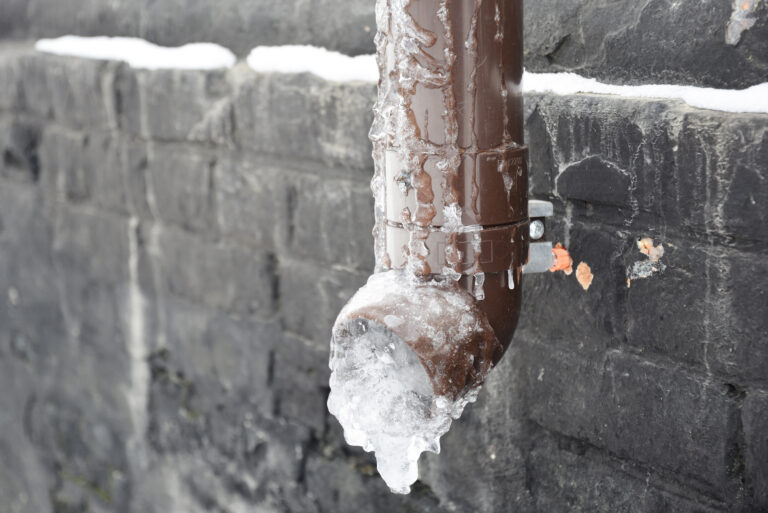
As the ground around your home expands and contracts, it places strain on the foundation walls. This can eventually lead to visible cracks, which vary in type and severity depending on the cause.
The Most Common Types of Basement Cracks
There are three main types of cracks you are likely to see in a basement. Each one provides clues about what is happening beneath the surface.
- Vertical cracks
- Horizontal cracks
- Stair-step cracks
Vertical Cracks: Often the Least Severe
Vertical cracks are one of the most common types found in basement walls. They typically run straight up and down or slightly diagonal.
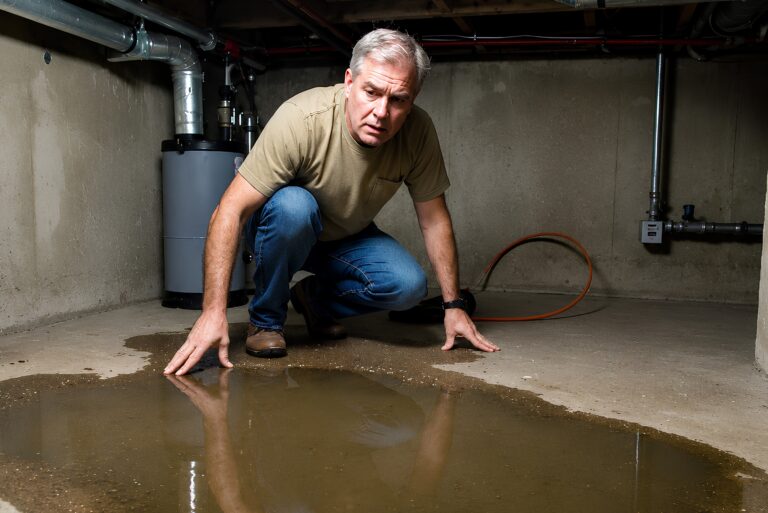
These cracks are often caused by natural settling as the home adjusts to its environment over time. In many cases, they are not immediately dangerous. However, they can still allow water to enter your basement if left untreated.
Sealing these cracks early with professional foundation crack repair can help prevent moisture issues and further deterioration.
Horizontal Cracks: A Serious Warning Sign
Horizontal cracks are usually more concerning. These cracks run side-to-side along basement walls and are often caused by excessive pressure from the surrounding soil.
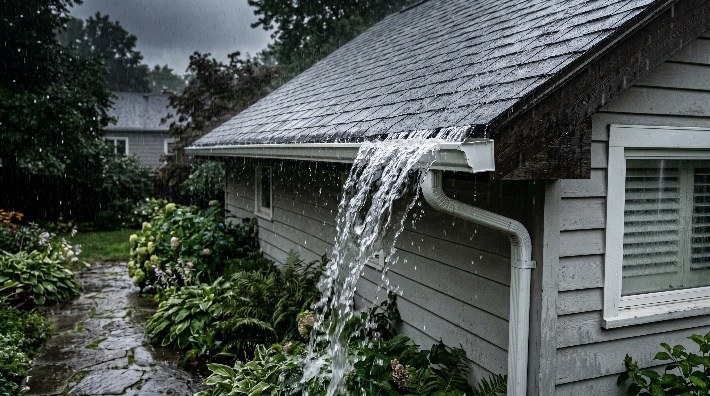
This pressure, known as hydrostatic pressure, builds up when water accumulates in the soil outside your foundation. Over time, it can push against the walls and cause them to crack or even bow inward.
If you notice horizontal cracks, it is important to act quickly. Solutions such as basement waterproofing or improved drainage installation and sump pumps can help relieve pressure and prevent further damage.
Stair-Step Cracks: A Sign of Foundation Movement
Stair-step cracks are commonly found in brick or block foundations and follow the pattern of mortar joints. These cracks often indicate uneven settling or shifting of the foundation.
This type of movement can be caused by soil instability, poor drainage, or changes in moisture levels around the home. Over time, stair-step cracks may widen and lead to more significant structural issues.
In these cases, more advanced solutions like underpinning or house leveling may be required to stabilize the foundation.
When Basement Cracks Become a Bigger Problem
Not all cracks require immediate repair, but certain warning signs indicate that the issue may be getting worse.
If a crack is widening, allowing water to enter, or appearing alongside other symptoms like uneven floors or sticking doors, it may point to broader structural home issues that need professional evaluation.
Ignoring these signs can lead to more extensive damage and higher repair costs over time.
How to Prevent Further Foundation Damage
Preventing future cracks often comes down to managing water and soil conditions around your home. Proper drainage, grading, and waterproofing can reduce pressure on your foundation and help maintain its stability.
Addressing minor cracks early and maintaining your home’s exterior can go a long way in avoiding larger structural problems.
Protect Your Foundation Before Problems Get Worse
Basement cracks are more than just a cosmetic issue. They can be early indicators of deeper foundation concerns that should not be overlooked.
If you have noticed cracks in your basement walls or are unsure about their severity, contact Shield Foundation Repair today. Our team can assess the situation, recommend the right solution, and help protect your home from further damage.