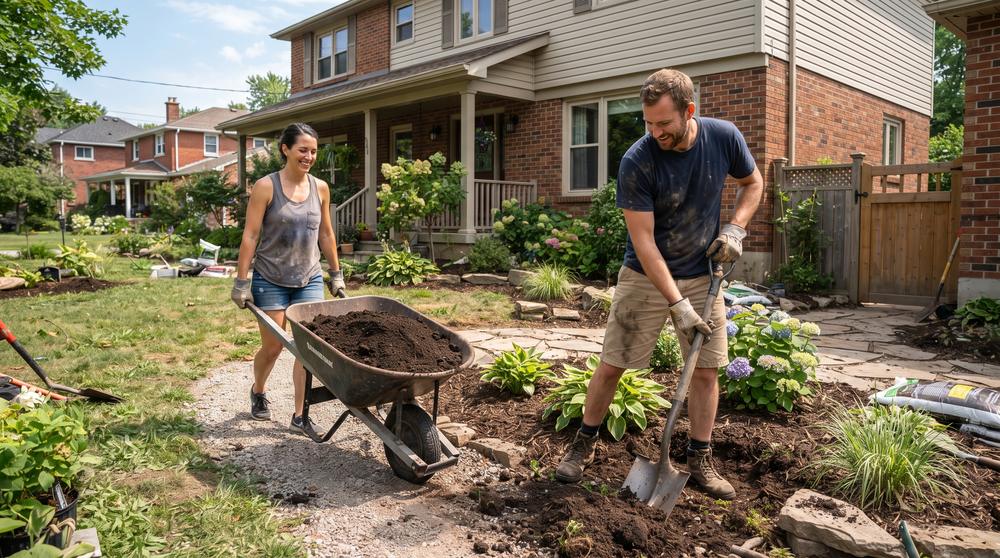
Landscaping projects can improve your home’s curb appeal, increase its value, and make your yard more enjoyable, but they can also affect something you don’t see: your foundation.
Whether you’re planting trees, installing a patio, or refreshing garden beds, the way your landscaping manages water can have a lasting impact on your home’s structural health. A little planning today can help prevent costly foundation problems tomorrow.
Why Landscaping Affects Your Foundation
Your home’s foundation is only as stable as the soil supporting it. Too much water can soften the soil, while long dry periods can cause it to shrink. When those moisture levels change unevenly around your home, the foundation may shift along with them. We covered how that plays out during a hot, dry stretch in our look at the hidden impact of summer droughts on clay soils.
Good landscaping helps keep soil moisture more consistent by directing water away from the house instead of allowing it to collect beside the foundation.
Landscaping Do’s
Do Maintain Proper Grading
The ground around your home should slope away from the foundation so rainwater naturally drains away instead of pooling beside the house. If you notice standing water after a storm or areas where the soil has settled against the foundation, it may be time to improve your yard’s grading. Proper grading is one of the simplest and most effective ways to protect your foundation from excess moisture. Our positive site grading work is designed to correct exactly this problem, and there are a few telltale signs worth watching for in your own yard.
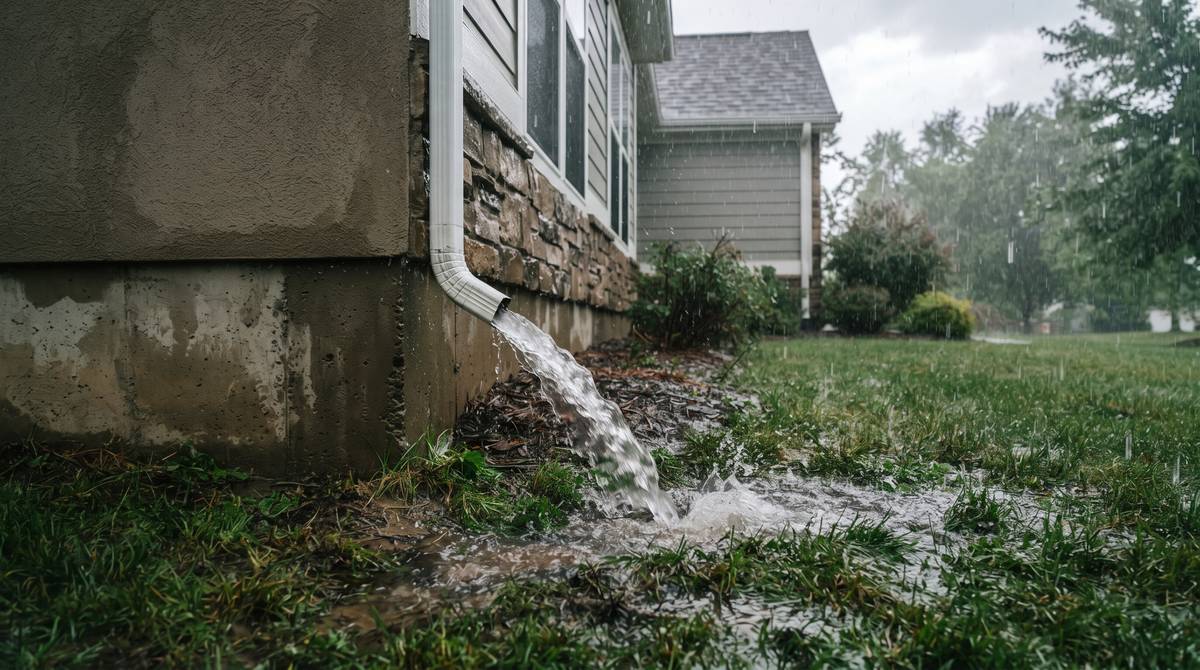
Do Direct Downspouts Away from the House
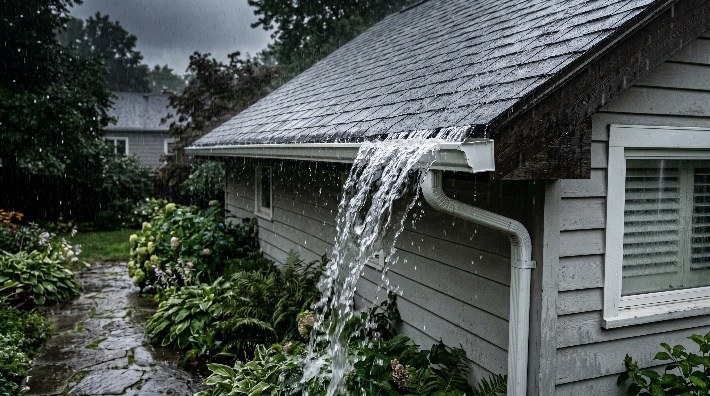
Your roof sheds thousands of liters of water each year. If downspouts discharge beside the foundation, that water can quickly saturate the surrounding soil. Downspout extensions or properly designed drainage systems help move water a safe distance away, reducing the risk of moisture-related foundation issues.
Do Plant Trees with Their Mature Size in Mind
Trees add beauty, shade, and privacy, but their root systems need room to grow. While tree roots don’t typically crack a healthy concrete foundation, they can affect soil moisture and interfere with nearby drainage. Before planting, think about how large the tree will become, not just how it looks today. Thoughtful tree placement today can help prevent drainage and soil moisture issues years from now.
Do Keep Soil and Mulch Below the Siding
Garden beds often build up over time as additional soil and mulch are added. Maintain several inches of clearance below your siding to help prevent moisture from lingering against your home’s exterior. It also makes routine foundation inspections much easier.
Landscaping Don’ts
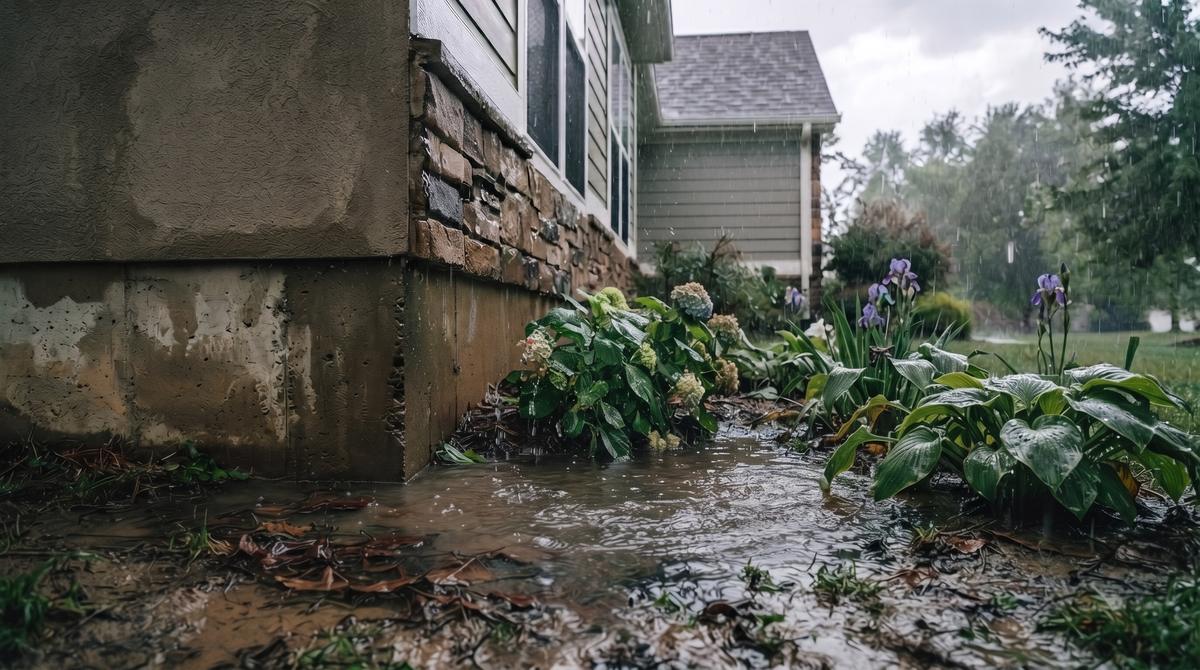
Don’t Create Areas Where Water Can Pool
Raised flower beds, decorative edging, and retaining walls can unintentionally trap water against your foundation if they aren’t designed with drainage in mind. As you plan your landscaping, think about where rainwater will flow during a heavy summer storm, not just how the finished project will look. Our guide on how to prevent water pooling around your foundation walks through the most common trouble spots.
Don’t Overwater Near the Foundation
A healthy lawn doesn’t require constantly saturated soil. Automatic sprinkler systems should be adjusted so they don’t spray directly against foundation walls, and watering schedules should account for recent rainfall. Consistently wet soil can increase the likelihood of moisture-related foundation problems.
Don’t Forget Your Gutters
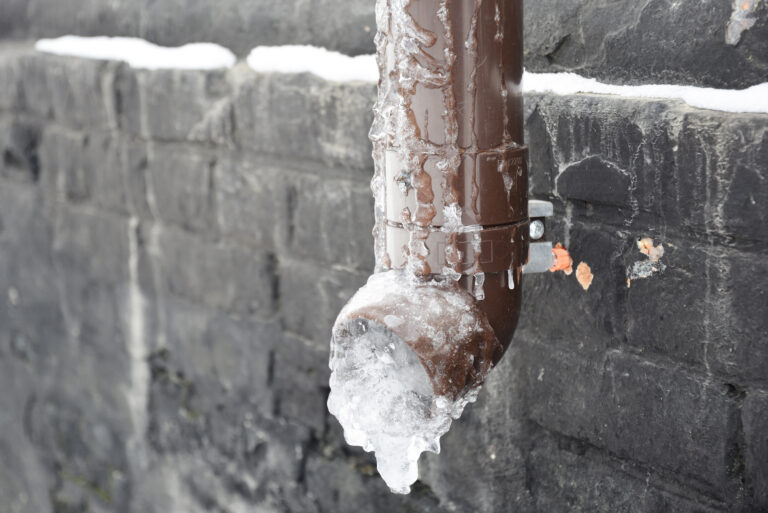
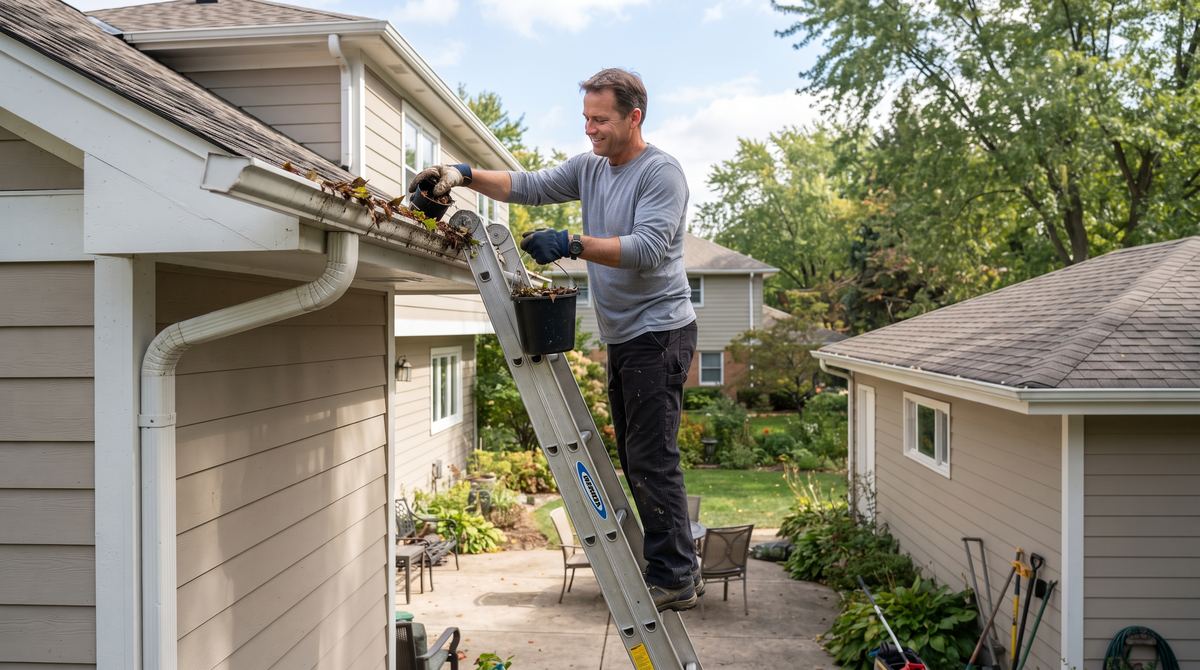
Even the best landscaping can’t compensate for overflowing gutters. Keep eavestroughs clear of leaves and debris, and make sure downspouts remain securely connected so roof runoff is directed where it’s supposed to go. We explained why gutter repair is foundation care in a recent post.
Don’t Hide Your Foundation
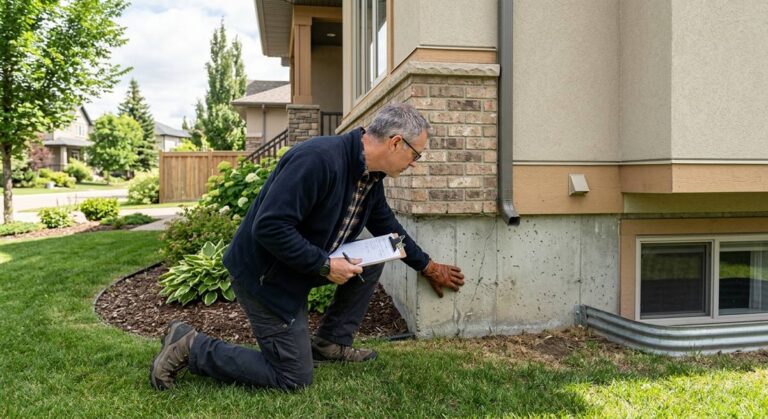
Large shrubs, decorative rock, or dense landscaping that completely covers foundation walls can make it difficult to spot early warning signs. Keeping portions of the foundation visible allows you to monitor for cracks, water staining, or other changes before they become more significant.
Edmonton’s Climate Makes Drainage Even More Important
Edmonton’s climate presents unique challenges for foundations. Spring snowmelt, intense summer storms, and extended dry spells all change the amount of moisture in the soil surrounding your home.
That’s why drainage should be part of every landscaping project, not just something to think about after problems appear. A well-designed landscape helps manage these changing conditions while protecting your home’s foundation year-round. If a project has outgrown a weekend of shovel work, our landscaping services are built around drainage from the start.
Know When to Call a Professional
Landscaping improvements can solve many drainage concerns, but they won’t fix an existing foundation problem. If you notice any of the following, it is worth having your foundation assessed:
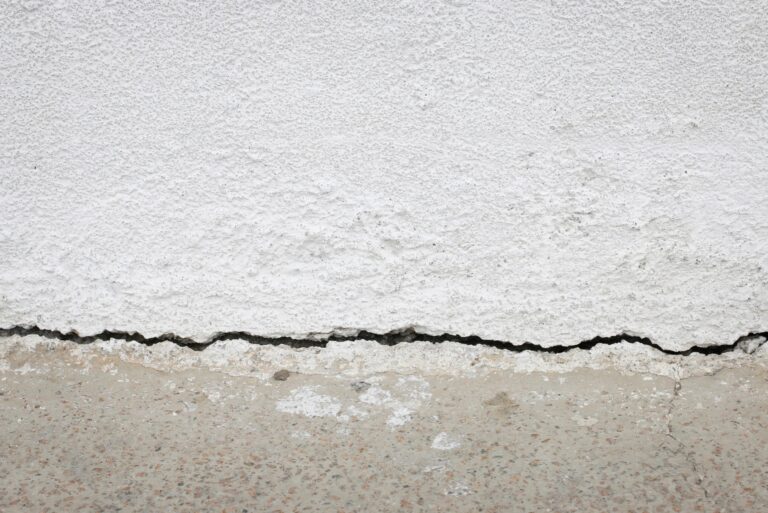
- New or expanding foundation cracks
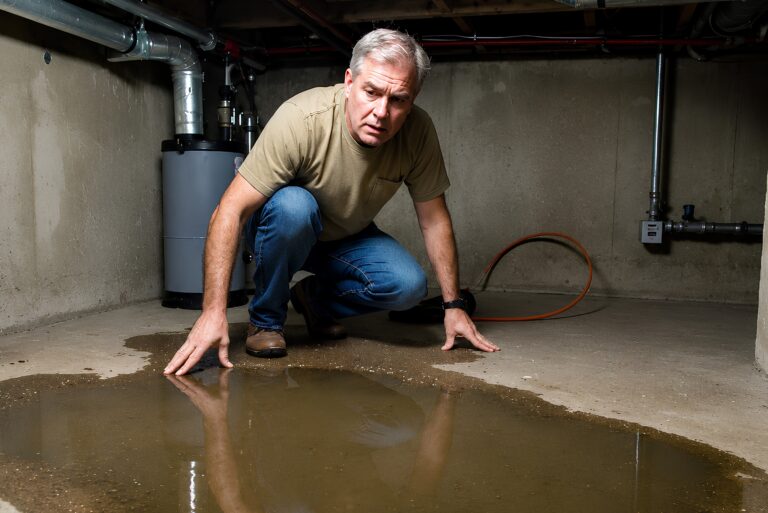
- Water seepage in the basement
- Doors or windows that begin sticking
- Uneven floors
- Gaps appearing around windows or trim
Cracks that are growing or letting water through are usually a job for foundation crack repair, and ongoing dampness below grade often calls for basement waterproofing. Addressing these issues early is typically more straightforward (and less expensive) than waiting for them to progress.
Protect Your Home from the Ground Up
The best landscaping projects don’t just improve curb appeal; they also help protect the foundation beneath your home. By planning for proper drainage, choosing plants wisely, and managing water around your home, you can create an outdoor space that’s both attractive and functional.
A beautiful yard should enhance your home, not create hidden structural problems. With a little planning, your landscaping can help keep your foundation dry, stable, and performing as intended for years to come.
If you suspect foundation issues due to landscaping deficiencies such as negative grading (we can fix that!) or other causes mentioned above, give us a call at 780 760 4900 today or fill out our handy contact form to speak to our friendly, knowledgeable staff and get your home back on track.