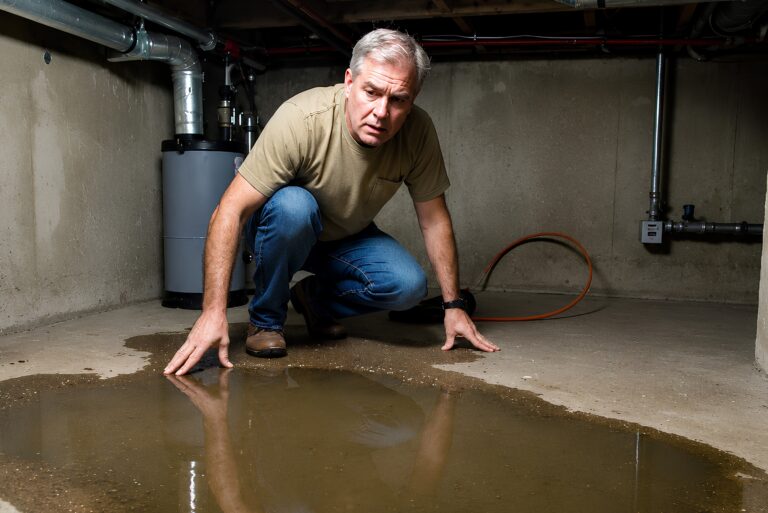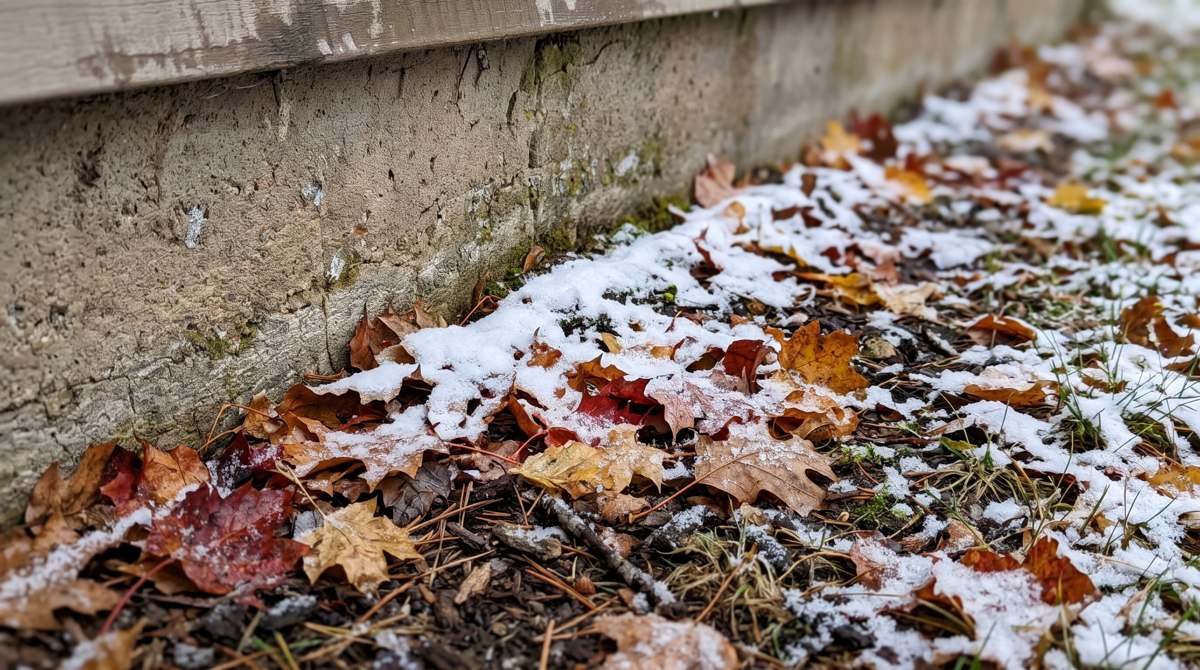
After this summer’s record rainfall, you may have dealt with water in your basement, damp spots near the foundation, or pooling water around your yard. With winter approaching, it’s reasonable to wonder: Could this become a bigger problem when the ground freezes?
Not necessarily. But if water found its way into your basement this summer, understanding why it happened can help you decide what deserves attention before winter sets in.
Why Edmonton’s Soil Matters
Edmonton’s clay-rich soils can retain moisture and drain slowly. It expands when wet and shrinks when dry, creating movement in the ground around your home.
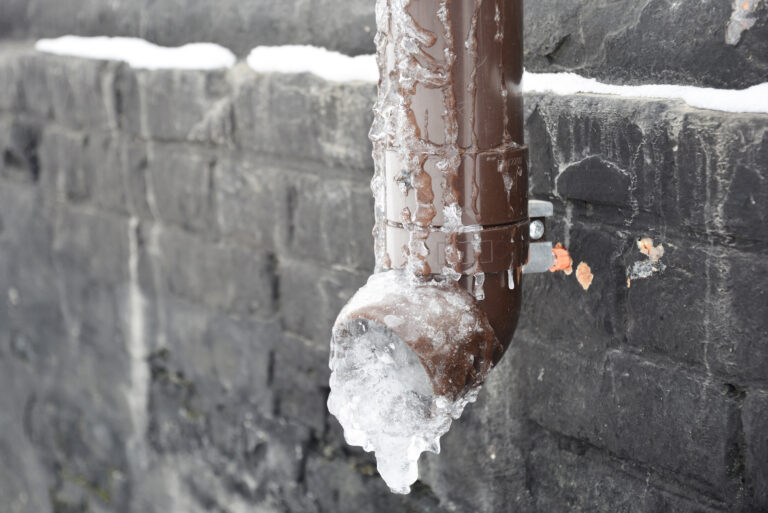
Winter introduces another consideration: frost heave. When susceptible soil contains sufficient moisture, freezing conditions can cause layers of ice to grow within the ground, pushing the soil upward. Uneven movement can place stress on foundations and other structures.
But frost heave isn’t the only concern. If water entered your basement during summer’s heavy rainfall, the more immediate question is whether the conditions that allowed it to happen have been resolved.
Could Summer’s Water Problems Become Winter’s Foundation Problems?
Possibly, but one doesn’t automatically lead to the other.
Water may enter a basement through a vulnerable window well, a foundation crack, or another point where drainage or waterproofing isn’t performing as intended. That doesn’t necessarily mean the foundation is structurally damaged.
However, excess moisture around your foundation can contribute to conditions that allow frost-related movement, while changes in soil moisture can also affect certain types of soil independently of freezing.
The important distinction is that frost heave, soil movement caused by changing moisture levels, and water infiltration are different processes. Their symptoms can overlap, but they don’t all require the same solution. A basement that has dried out isn’t necessarily a basement whose underlying problem has been resolved.
If water entered during summer storms, consider where it appeared and what might have allowed it to collect or enter. Addressing drainage problems now may help reduce future moisture concerns, although it can’t eliminate every risk associated with winter ground movement.
Your Pre-Winter Foundation Check
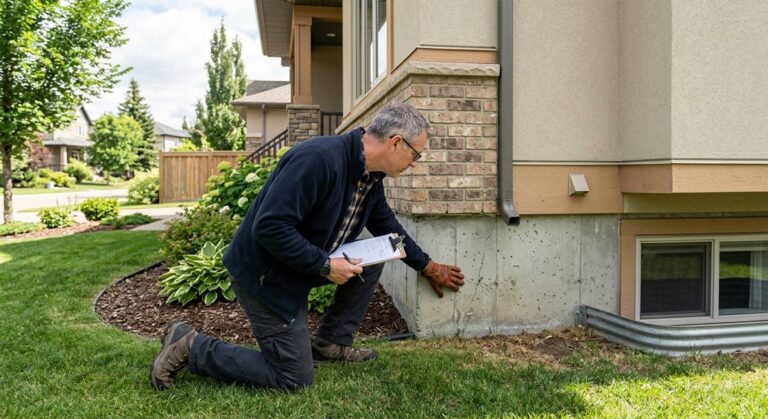
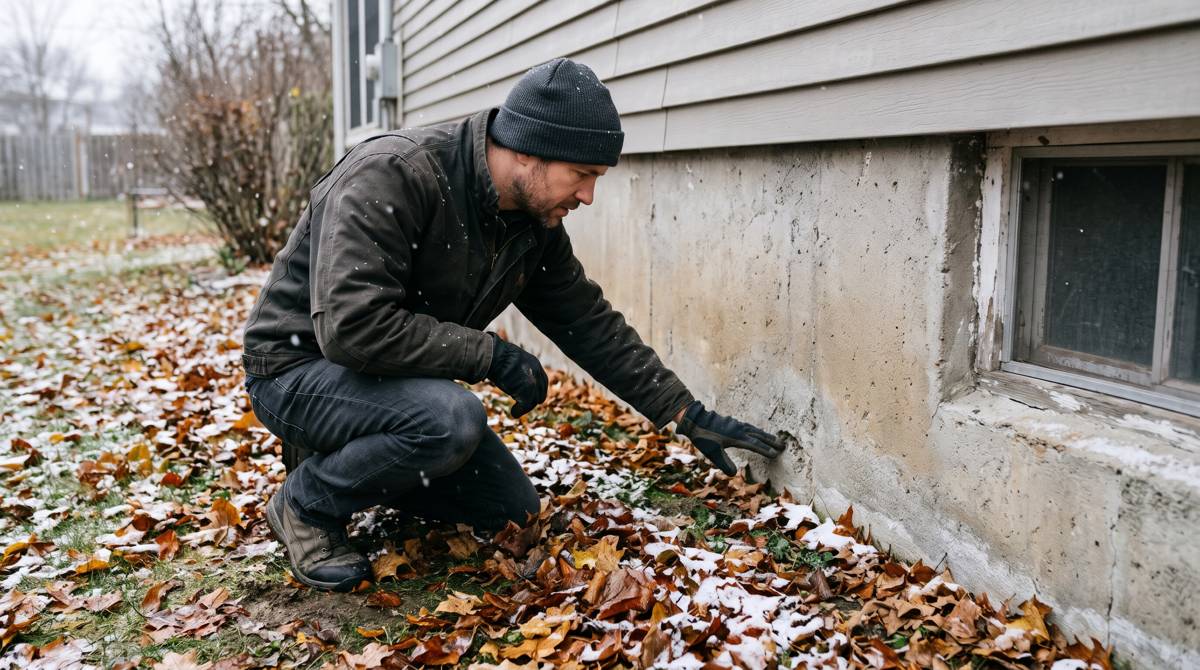
You don’t need to diagnose a foundation problem yourself. A few simple checks can help you identify conditions that deserve attention.
Outside your home
- Check the grading. Look for low spots or areas where the ground slopes toward the foundation rather than away from it.
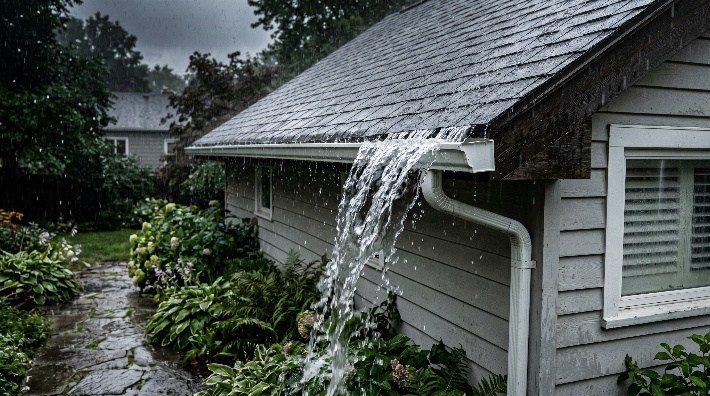
- Inspect your downspouts. Make sure roof water is directed away from the house rather than discharged beside the foundation.
- Look at window wells. Clear leaves and debris, check for visible drainage obstructions, and watch for water accumulation.
- Notice where water collects. Areas that remain soggy after rain may indicate drainage concerns worth addressing.
Inside your basement
- Revisit previous water-entry points. Look for dampness, water staining, peeling finishes, or white mineral deposits that may indicate past or recurring moisture.
- Check existing cracks. Note their location and appearance. Compare them with earlier photographs if available, looking for changes rather than assuming every crack indicates structural damage.
- Watch for other changes. New or worsening wall movement, noticeable floor-level changes, or doors and windows that become increasingly difficult to operate deserve attention, particularly when several symptoms occur together.
- Check your sump pump if you have one. Follow the manufacturer’s maintenance instructions and confirm that its discharge arrangement is working as intended.

When Should You Be Concerned?
An isolated crack or uneven exterior slab doesn’t automatically mean your foundation is failing. What matters is the broader picture.
Are cracks changing? Has water returned to an area that was previously wet? Are several symptoms appearing together? Is a wall showing signs of movement? These observations don’t establish the cause, but they can help you recognize when a closer look is warranted.
If you identify a drainage problem, address it where practical. If water continues to enter through a foundation crack, cracks are changing noticeably, or you see signs of structural movement, consider a professional assessment rather than assuming the problem will disappear when spring arrives.
The Bottom Line
Edmonton winters can challenge the ground beneath your home. If you’ve experienced water ingress this summer, it may be the sign that further damage in the cooler months from seasonal conditions like frost heave might be on the horizon. It might be time to get your foundation looked at. Give us a call today to speak with our friendly staff.