After a busy summer, most homeowners have a mental list of things to deal with around the house. The garden got away from you. That downspout needs attention. There’s a low spot in the yard you’ve been meaning to fix. And somewhere along the way, you noticed something around the house that didn’t look quite right.
After an unusually wet summer in Edmonton, September is a good time to take a few minutes and look again. You don’t need to diagnose anything. The goal is simply to notice what changed and, especially, where all that rainwater went.
Here are six things worth checking.
1. Look for New or Changing Cracks
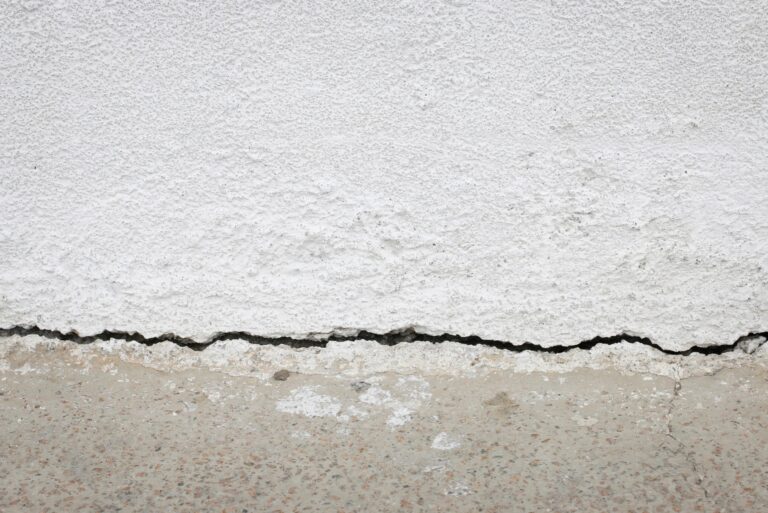
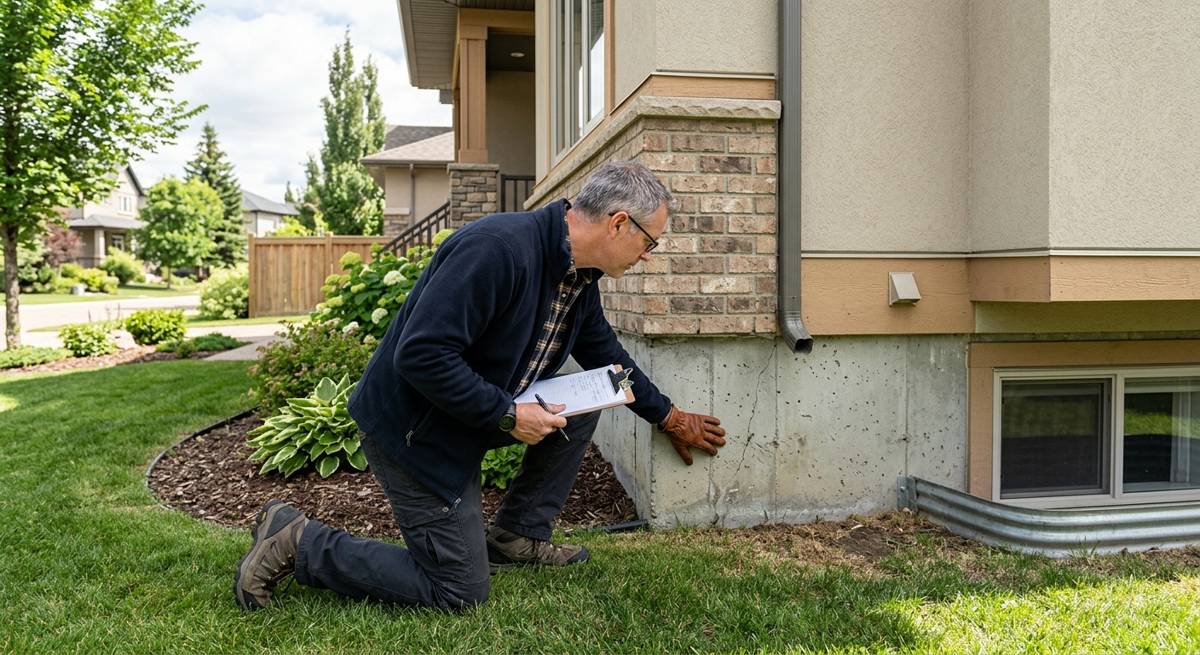
Walk around the exterior of your home and look for cracks that weren’t there in the spring. Then check your basement walls and floors, particularly around windows, corners, and areas where you’ve noticed cracking before.
Not every crack is a foundation problem. Concrete cracks for many reasons. What matters is whether something is new, changing or accompanied by other signs such as water intrusion or movement. If you’re concerned about a crack, take a photo and note its location. Having something to compare later can be much more useful than relying on memory. If you want help telling the two apart, our guide to whether a foundation crack is serious walks through it, and our foundation crack repair team can assess anything that is changing.
2. See Where the Water Actually Goes
This is probably the most useful thing you can check after a wet summer. Walk around your home and look at the ground immediately beside the foundation.
- Does it generally slope away from the house?
- Are there areas where water collects?
- Has soil settled somewhere and changed the way water drains?
A property can look perfectly fine on a sunny day. Heavy rain reveals what the grading and drainage are actually doing. And that’s valuable information.
If the ground has settled or slopes toward the house, positive site grading corrects it, and we covered the telltale signs you may need it earlier this year.
3. Follow Your Downspouts
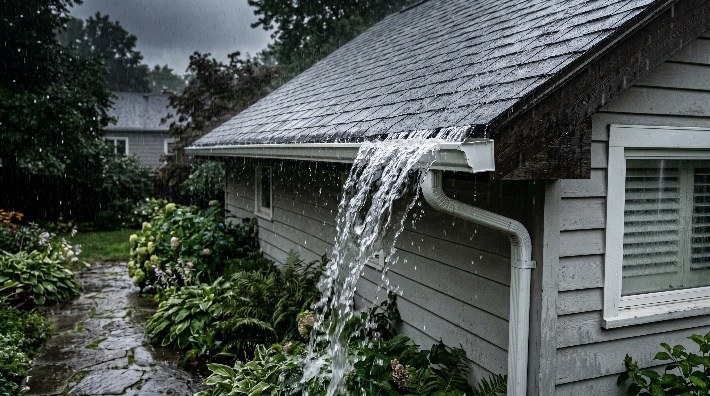
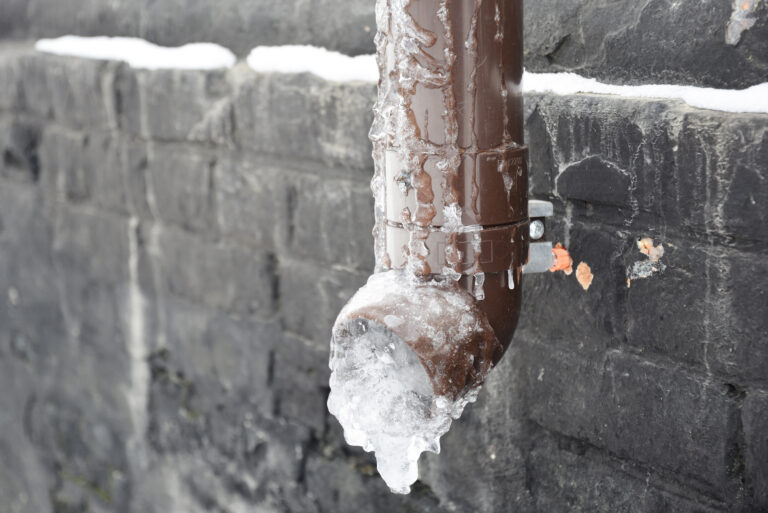
Don’t stop at checking whether the downspout is attached. Follow the water. Make sure downspouts direct roof runoff away from your foundation and that extensions haven’t become disconnected, damaged, or buried in a way that sends water back toward the house.
After a summer with heavy rainfall, this is one of the simplest places to look for an avoidable drainage problem. We explained why gutter repair is foundation care in a recent post, and properly designed drainage systems can take over where extensions fall short.
4. Take a Look at Your Window Wells
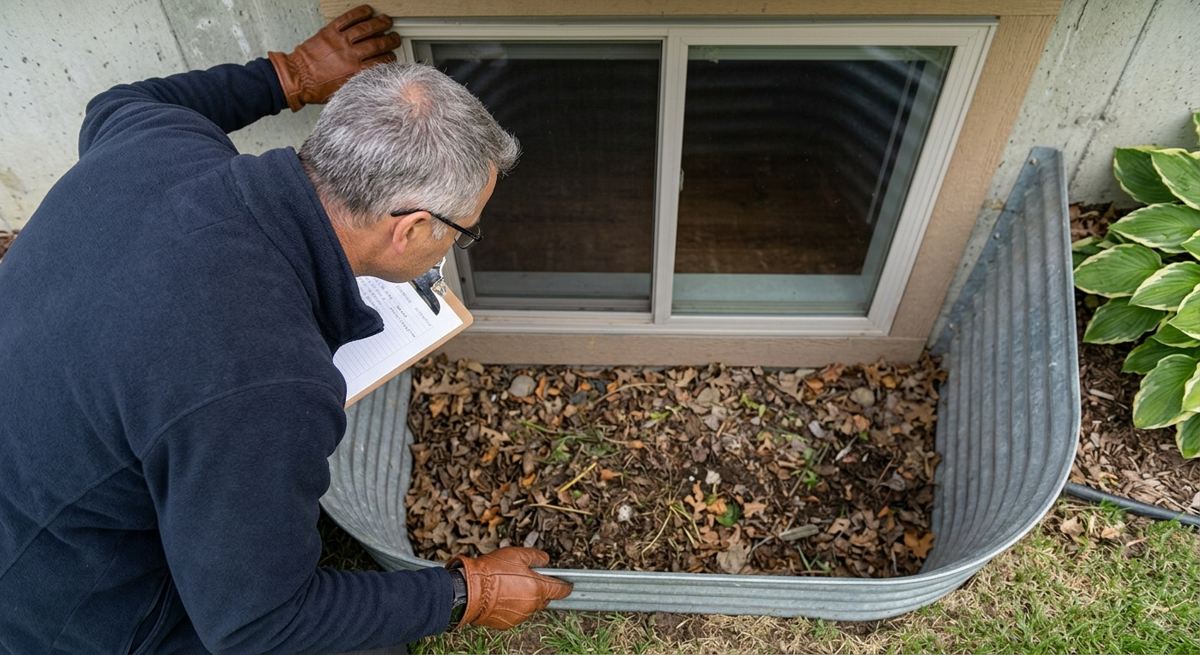
Window wells can collect leaves, soil, and other debris over the summer. Clear out anything that could interfere with drainage and look for signs that water has been sitting in the well.
If you’ve noticed moisture around a basement window, don’t automatically assume the window itself is leaking. The source of the water may be outside the window. Our post on window well safety and drainage covers what to look for.
5. Look at What Your Summer Projects Changed
This one is easy to overlook.
- Did you add a flower bed?
- Install a patio? Build a walkway?
- Add or move soil?
- Change the landscaping around the house?
None of those things is inherently a foundation problem. But they can change the path water takes across your property. That’s why it’s worth looking at landscaping projects from the foundation’s perspective: Did you improve the property without accidentally directing water toward the house? Last month’s landscaping do’s and don’ts is a good checklist, and our landscaping services can rework a yard so it drains the right way.
6. Check the Basement for Evidence
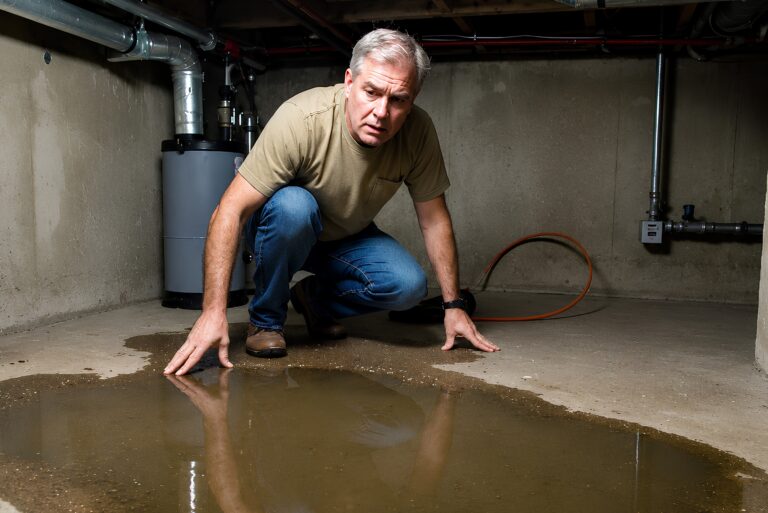
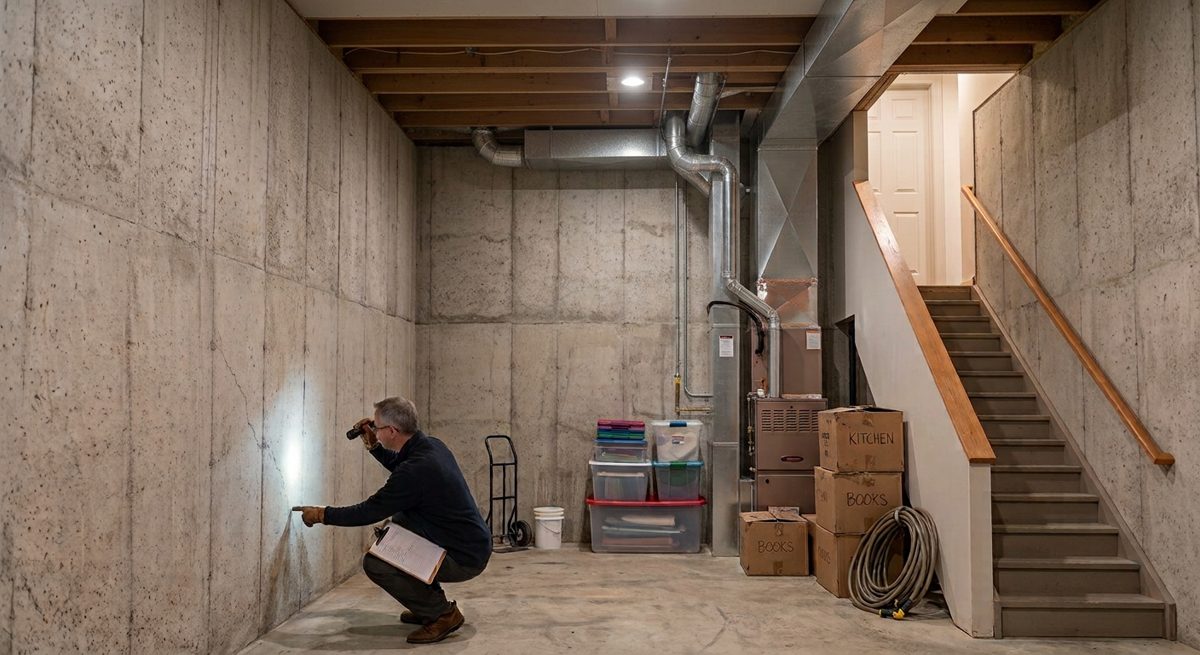
Finally, look inside. Check for new signs of dampness:
- Staining
- Water marks
- Musty areas or moisture around previously dry sections of the basement.
Don’t just look for standing water. Water intrusion doesn’t always announce itself dramatically. A recurring damp spot or staining after rainfall can be useful evidence of what’s happening outside. If you’ve noticed the same problem more than once, that’s worth paying attention to. We walked through the common causes of basement water intrusion in Edmonton homes, and recurring dampness is usually a sign that basement waterproofing is worth a conversation.
You Don’t Have to Find a Problem
There’s an important distinction between finding something unusual and finding something wrong. A small crack doesn’t automatically mean your foundation needs repair. A puddle after a major storm doesn’t automatically mean your drainage system has failed.
The first step is simply understanding what you’re seeing. Take a picture. Make a note. Watch for changes. And if something keeps happening, or you see significant cracking, movement, or recurring water intrusion, it may be time to have someone take a closer look.
Here’s a Five-Minute September Check
After a wet summer, walk around your home and ask yourself four simple questions:
- What’s new?
- What’s changed?
- Where does the water go?
- Is anything getting worse?
You don’t need to be a foundation expert to answer those questions. You just need to look. Because good foundation care isn’t always about fixing a problem. Sometimes, it’s about noticing one early enough to understand it.

If it’s come to the point where something has gone past the observation stage and you want to do something about it, give us a call at 780 760 4900 or fill out our handy contact form to speak to our friendly, knowledgeable staff.